RASA
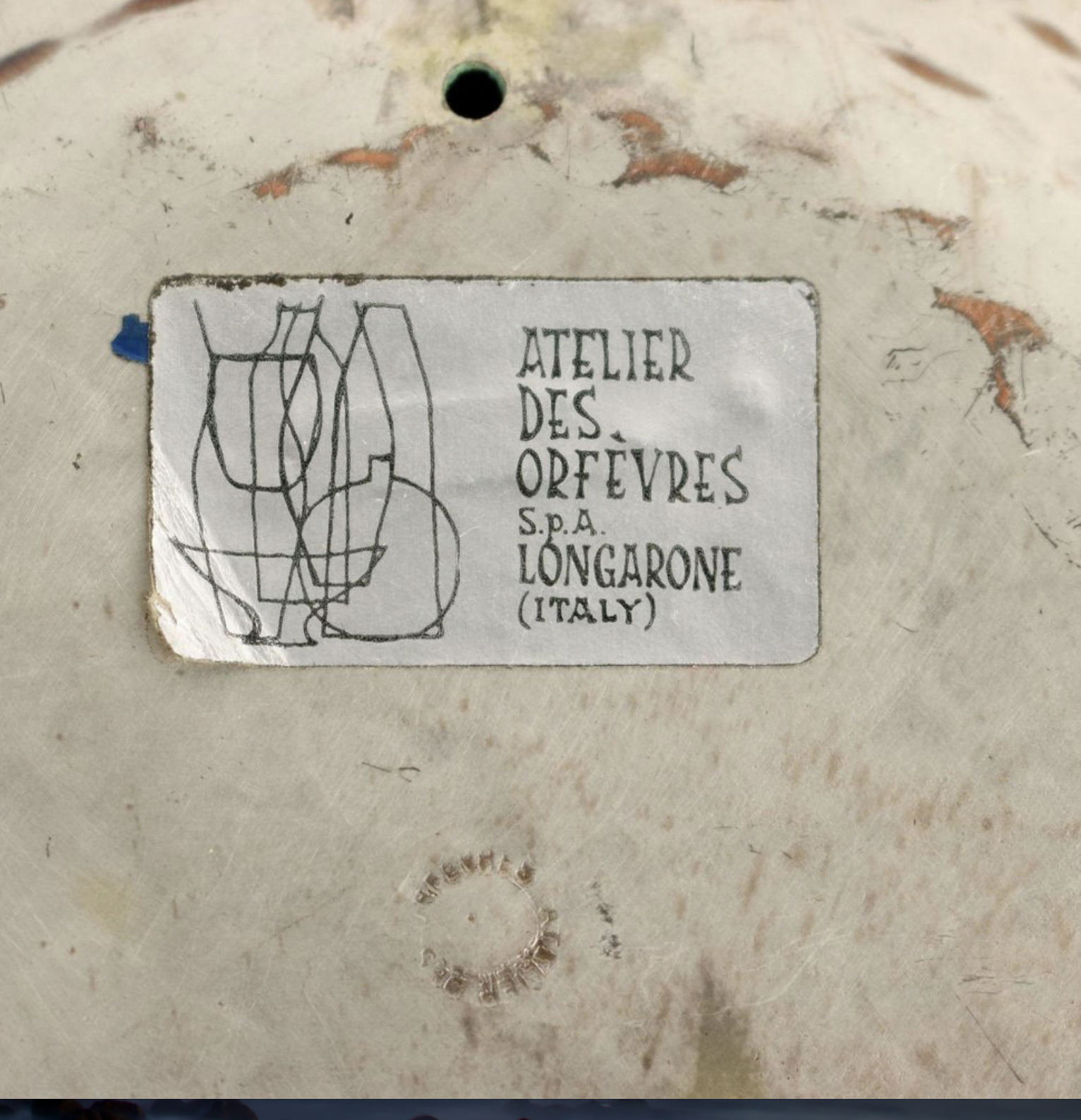
Atelier des Orfèvres
The Legacy of the Padua School of Goldsmithing, Italy
The Padua School of Goldsmithing emerged in the mid-20th century as one of the most influential movements in contemporary art jewellery. Shaped by the teachings of Mario Pinton (1919–2008) at the Pietro Selvatico Art Institute, it revolutionised traditional goldsmithing by introducing a new artistic vision in which jewellery was conceived as a form of wearable sculpture.
Throughout the 1960s and 1970s, artists such as Francesco Pavan, Giampaolo Babetto, Alberto Zorzi, Paolo Marcolongo, and more explored geometric abstraction, architectural forms and innovative metalworking techniques. Rejecting the conventional boundaries between fine art and craftsmanship, they developed an approach in which artistic conception and technical execution became inseparable.
“Rooted in this rich tradition of artistic experimentation, RASA – Atelier des Orfèvres emerged as a distinctive expression of Padua’s innovative approach to goldsmithing.
The name RASA derives from the surnames of its founding goldsmiths, Ranzato and Salmaso. Based in Padua, the workshop was closely associated with Atelier des Orfèvres S.p.A., established in Longarone, in the province of Belluno, and active from 1970. Both enterprises belonged to the same goldsmiths, with creative and production activities extending across the two locations.
Far more than a conventional goldsmithing workshop, RASA operated as an experimental artistic studio, bringing together established artists, designers and highly skilled craftsmen. Among those associated with the atelier were Mario Pinton, Venicio Bovo, Paolo Maurizio and Celeste Gallinaro, alongside goldsmiths, metal chasers and enamellers whose combined expertise fostered an exceptional environment of creative exchange.
This collaborative structure, unusual for its time, blurred the distinction between the artist as creator and the craftsman as maker. Artistic experimentation and technical mastery were equally valued, encouraging innovative approaches to materials and techniques, particularly in brass, copper, silver and gold.
RASA's creations reflect the modernist and Brutalist aesthetics of the 1960s and 1970s, characterised by powerful sculptural forms, hammered surfaces, engraved textures and unconventional treatments of metal. Whether expressed through jewellery or decorative objects, each creation transcended its ornamental or functional purpose to assert itself as an independent artistic statement.