
CLAUDE WESEL
Belgium, 1942-2014
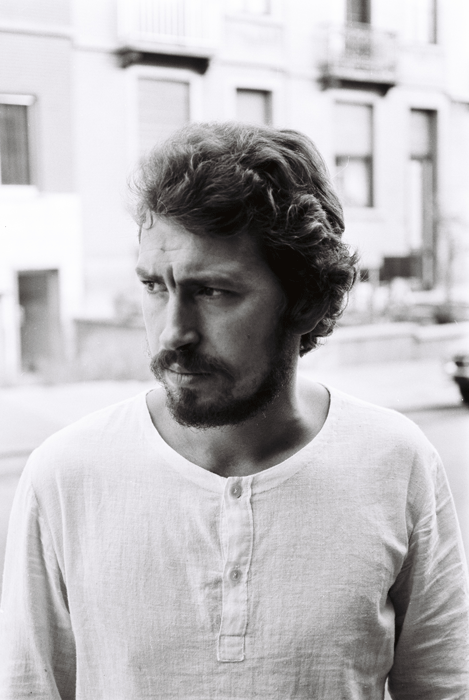
Claude Wesel studied at Maredsous Abbey School (+) and in Brussels’ La Cambre visual arts school. He is one of the spearheads of contemporary Belgian jewellery creation. Claude Wesel forged an original artistic vocabulary by using a biomechanical style that often triggers emotions linked to collective or personal memories. Several pieces of the artist can be found in prestigious institutions such as Pforzheim’s Schmuckmuseum, the Communauté française des arts plastiques, Antwerp’s Diamond Museum, and Houston’s Museum of Fine Arts (MFAH).
Early & Late Works
His early works (1960–1980) reveal a bold spirit of experimentation, where form and material merge into a distinctive artistic language. The late-period creations, produced after 1990, showcase the boundless imagination of an artist who never ceased to reinvent himself.
Far from closing a chapter, Wesel’s final decades shine with audacity and renewal, affirming his restless pursuit of innovation. Placed in dialogue with his formative pieces, these works trace the evolution of a creator who consistently expanded the boundaries of contemporary art.
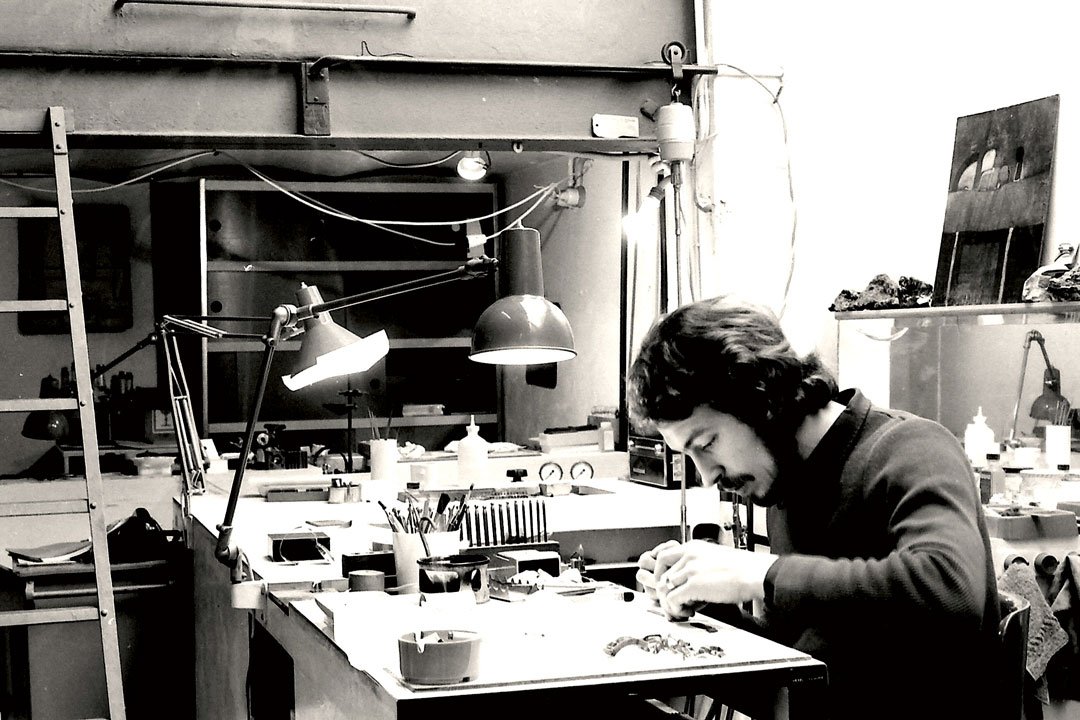
A true creator and visionary
“Claude Wesel is first and foremost an accomplished jeweller in spite of having sometimes expressed the desire to work on a larger scale and become a sculptor. He favours complex assemblages, opposing or uniting shape and line, often with a unexpected boldness, always with remarkable mastery. He is also an accomplished craftsman for whom few jewellery techniques hold any secret. Lost-wax casting, stone of pearl setting metal fabrication, sensitive use of coloured acrylic, nothing leaves him unmoved, Recently, he successfully rediscovered organic materials such as lizzard skin, tortoise-shell, ivory, amber or ancient techniques such as enamelling. When using precious or semi-precious stones, he makes them the focal point of his construction; all the shapes, lines and colours are arranged in relation to the stone so as the enhance its sparkle. To quote him: “the diamond’s exceptional decorative value stems from its great power of refraction.... it is used for its beauty, not as a symbol of wealth, it can still form an integral part of an accomplished work of art”.
The end result is often a sumptuous form of ornament whose boldness of shape and line recalls today’s world of space exploration. Conversely. Claude Wezel also looks for inspiration in the natural world of plants and animals, which he transposes, synthetises into a mechanical and abstract language.”
Bijoux Belges contemporains. Ed Mardaga, 1992. Page 67.
DISCOVER OUR SELECTION
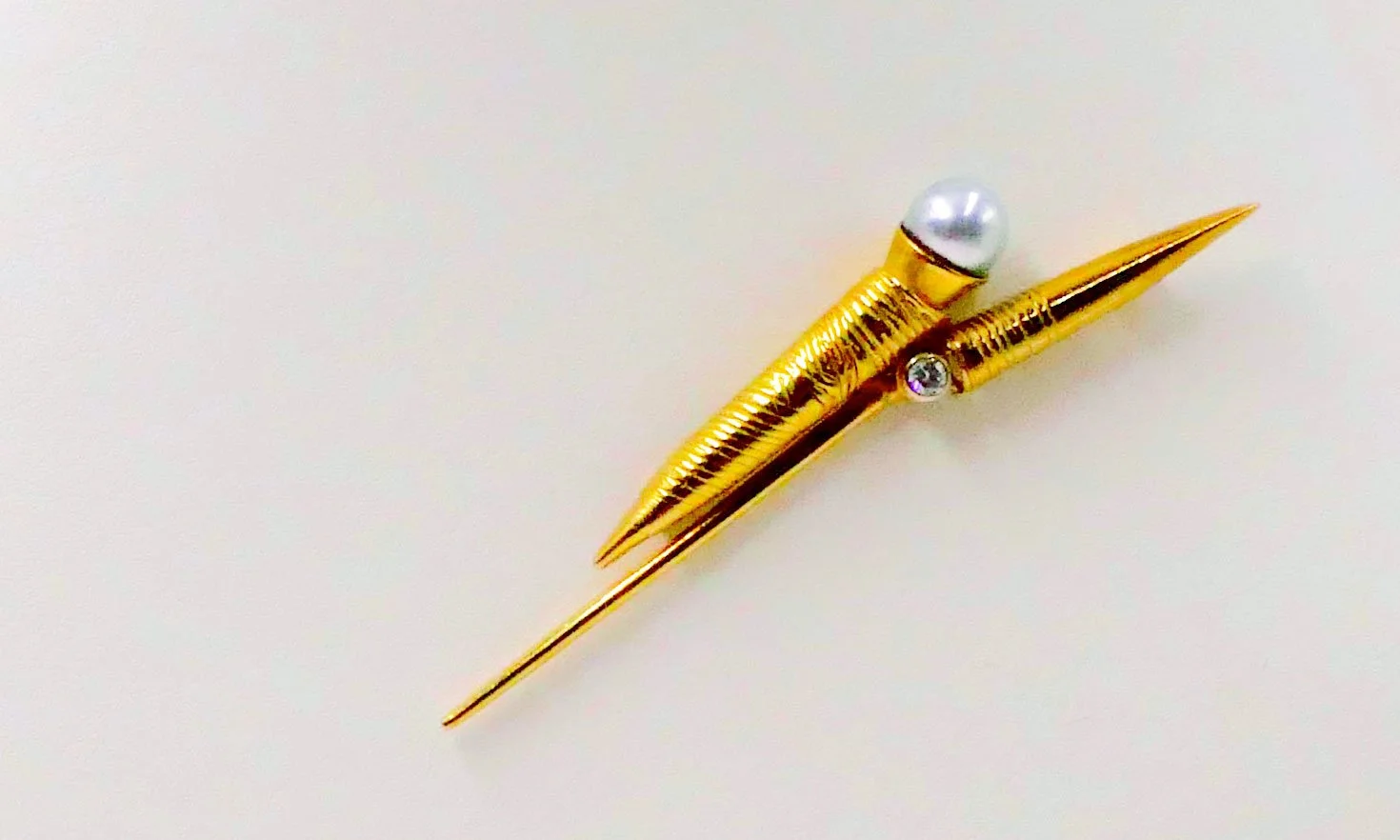
REF SQ3802463
18ct gold modernist brooch with pearl
Length 7,5 cm
+/- 9 g
Ca 1980’
Please contact us at
info@collectors-gallery.com
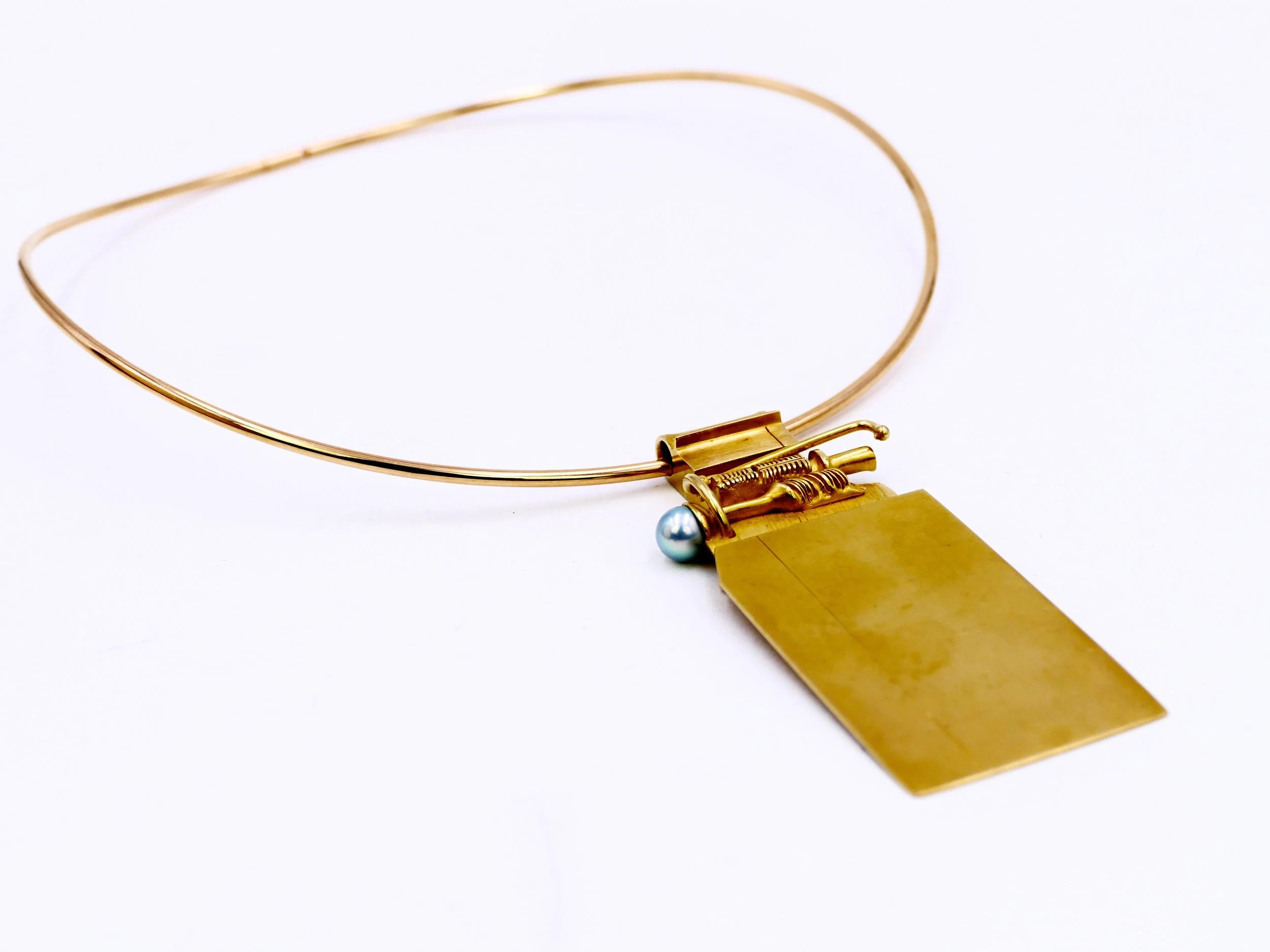
REF SQ4342400
“ π “ collection
18ct gold articulated pendant
9 x 3,8 cm
48,9 g
1974
18ct gold neckring included
Marked : 25-3-74 12- π - 5 - 750 - Artist’s mark - Wesel
Please contact us at
info@collectors-gallery.com
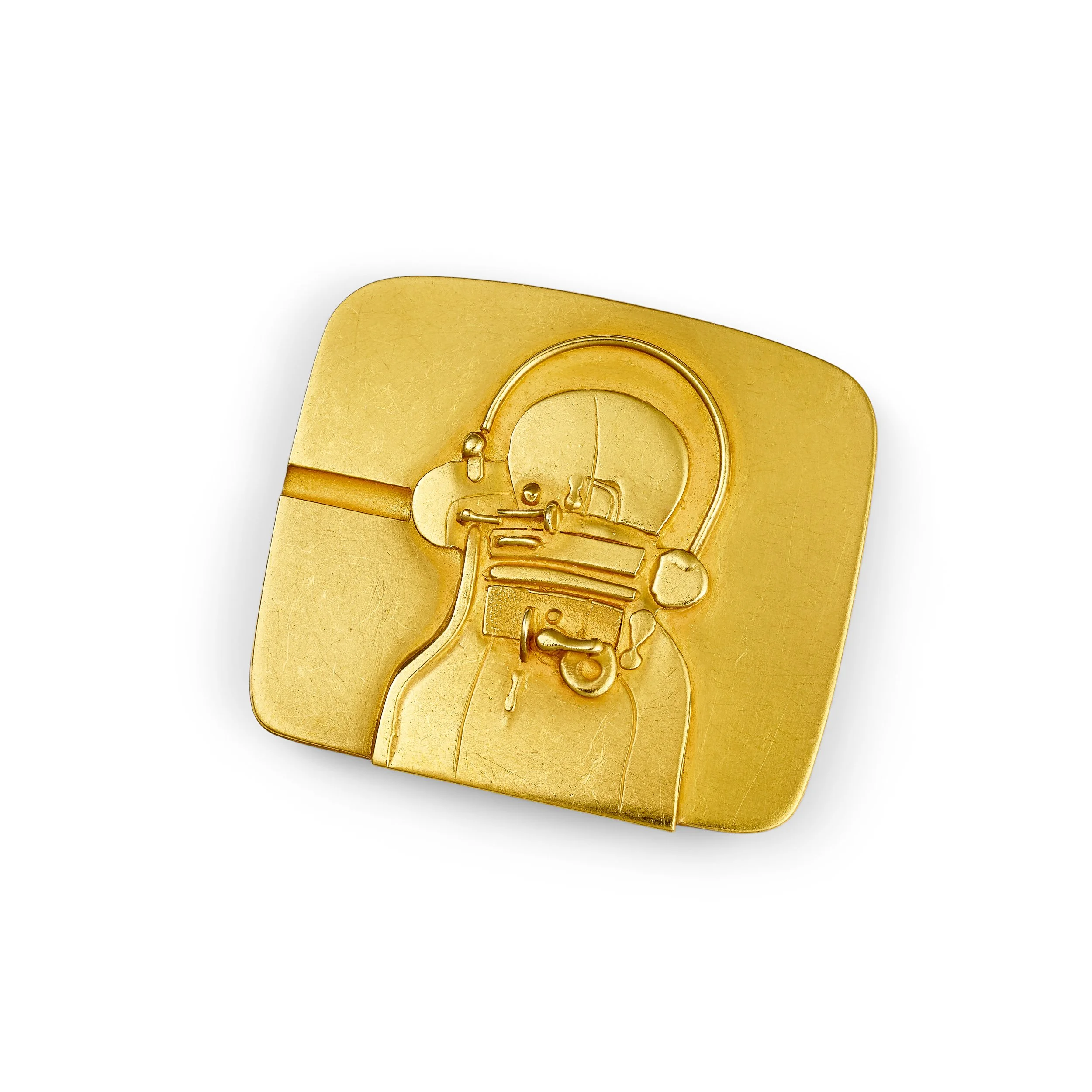
REF SQ4885825
Artist-jeweller: Claude Wesel (Belgium 1942-2014)
18ct gold brooch and pendant featuring a design of a figure seen from behind.
18,8 g
3,8 x 4,3 cm
Ca 1965-68
Marked DEMARET - Maker’s mark - 0750
Please contact us at
info@collectors-gallery.com
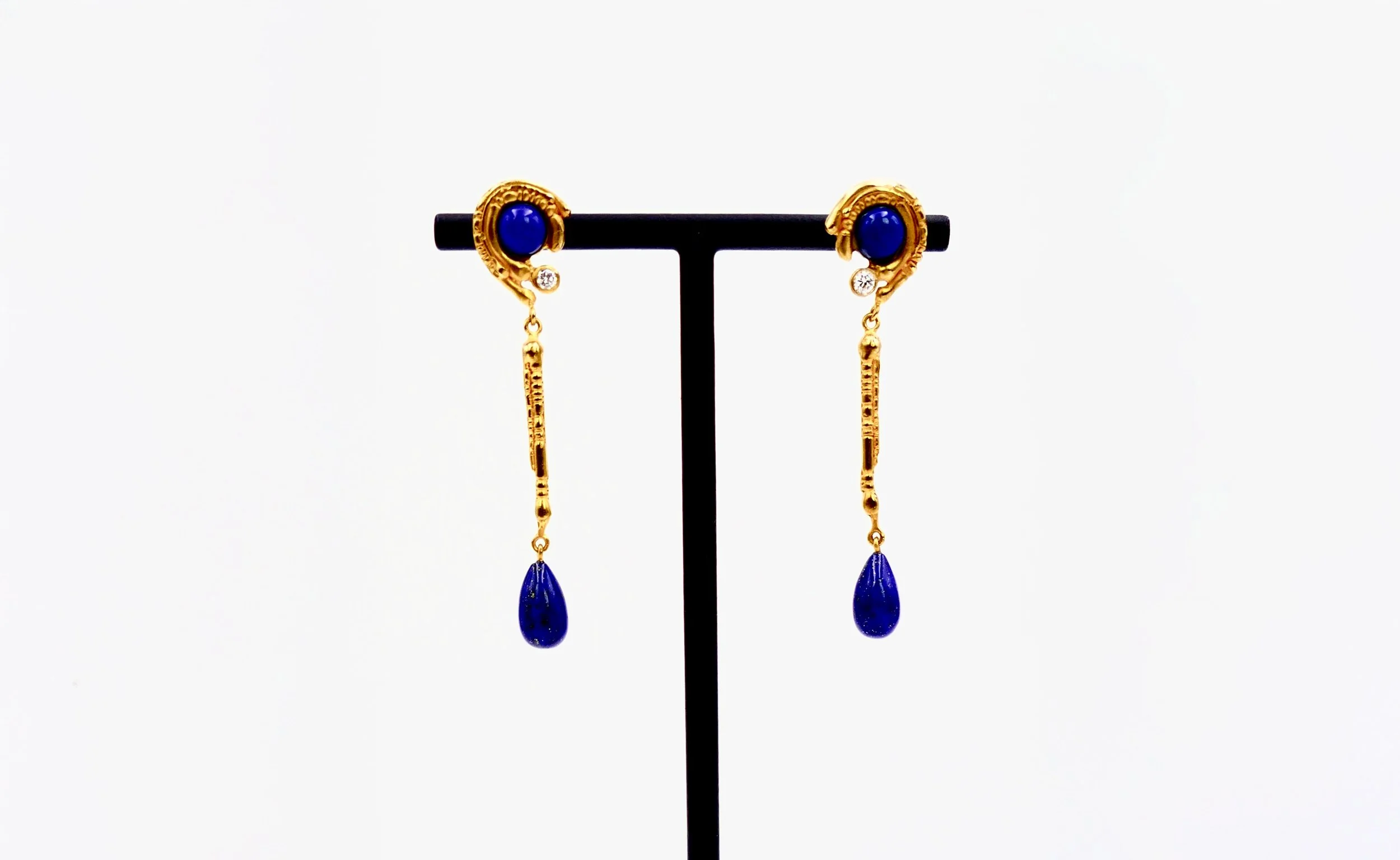
REF SQ0273375
“Perle d’Or”
Pair of pendant earrings
18ct gold, diamond & lapis lazuli
Model #6084
1998
Please contact us at
info@collectors-gallery.com
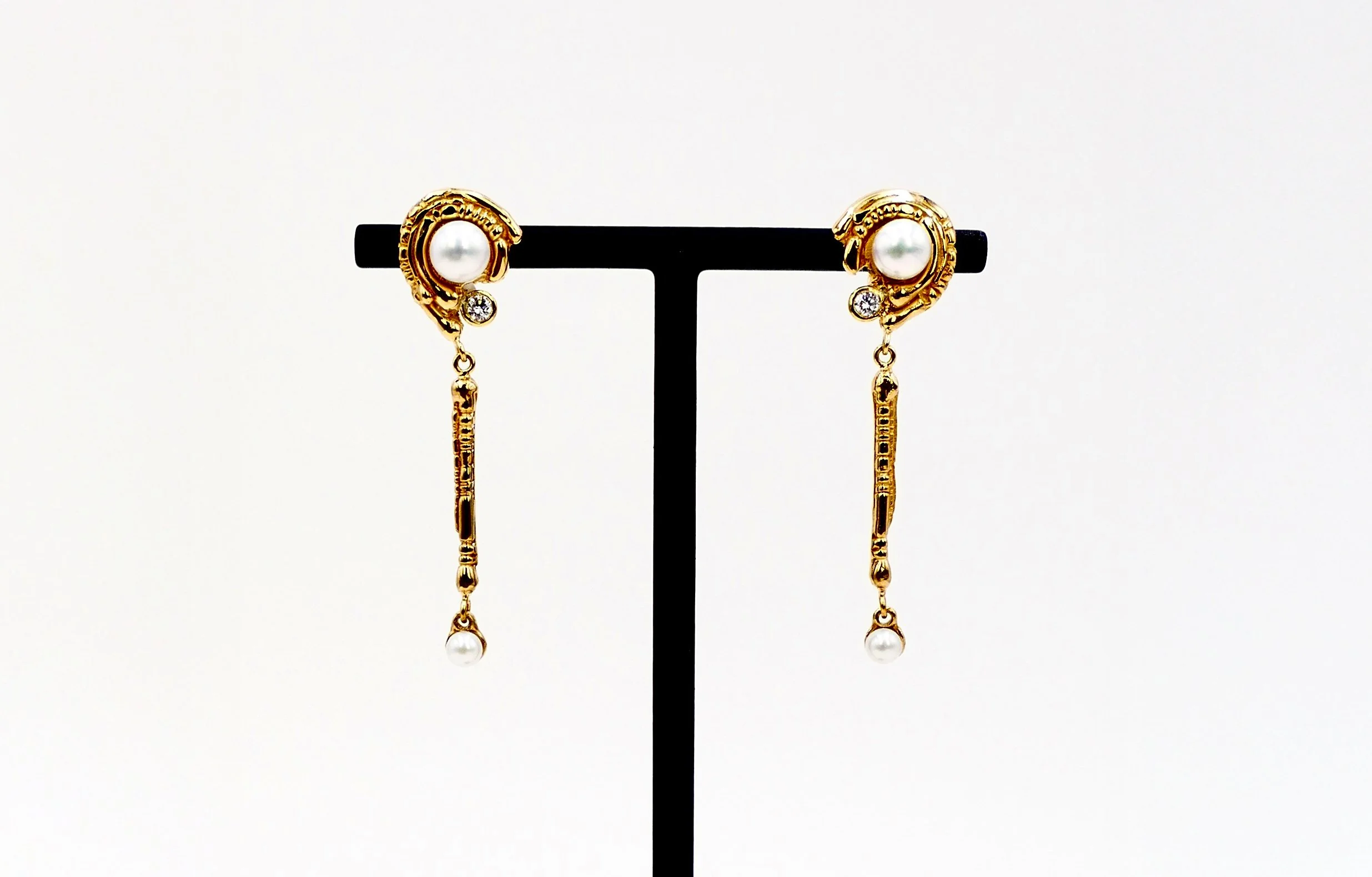
REF SQ0385323
“Perle d’Or”
Pair of pendant earrings
18ct gold, diamond & pearls
Model #6084
1998
Please contact us at
info@collectors-gallery.com
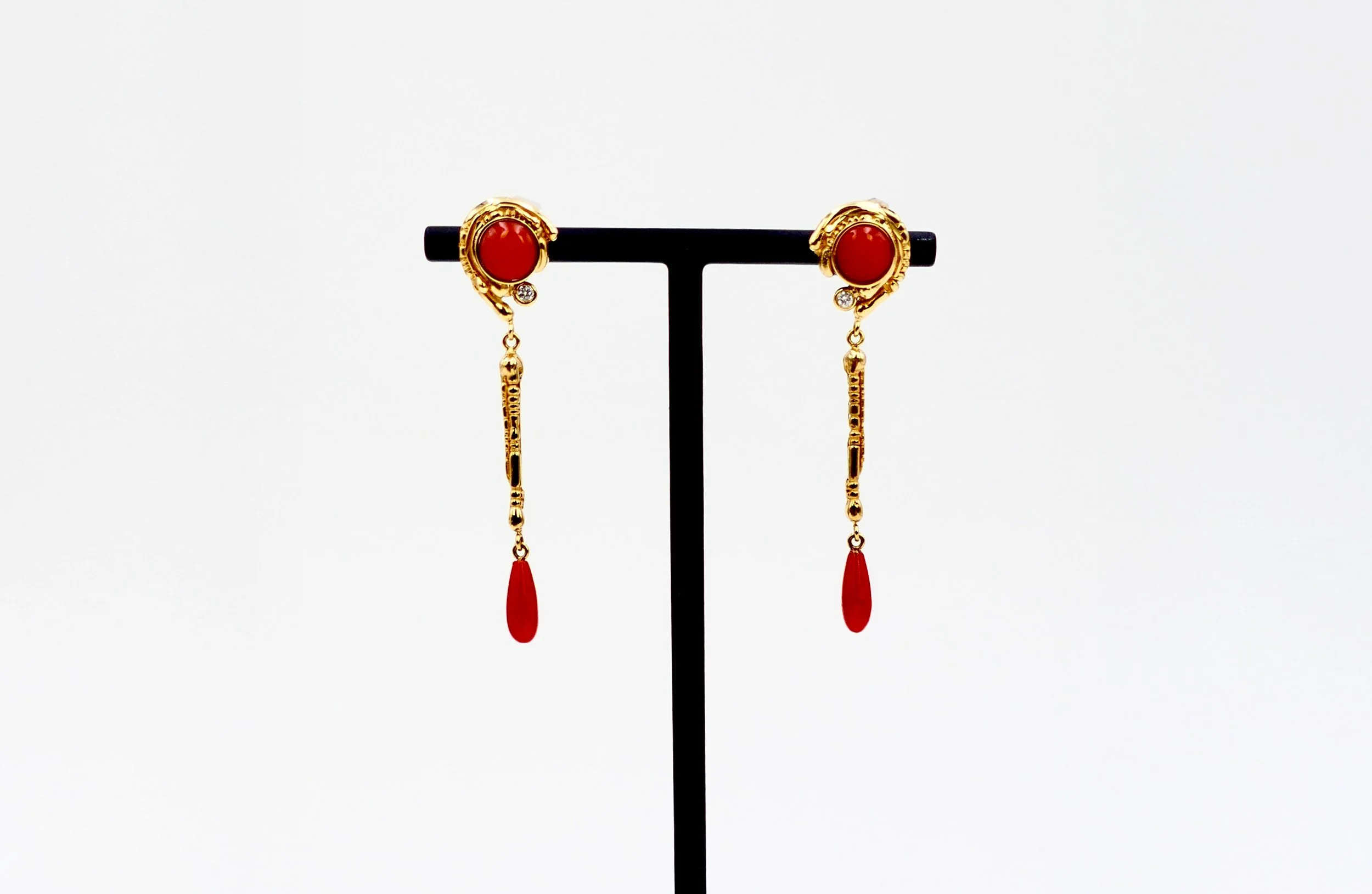
REF SQ1762286
“Perle d’Or”
Pair of pendant earrings
18ct gold diamond & coral
Model #6084
1998
Please contact us at
info@collectors-gallery.com
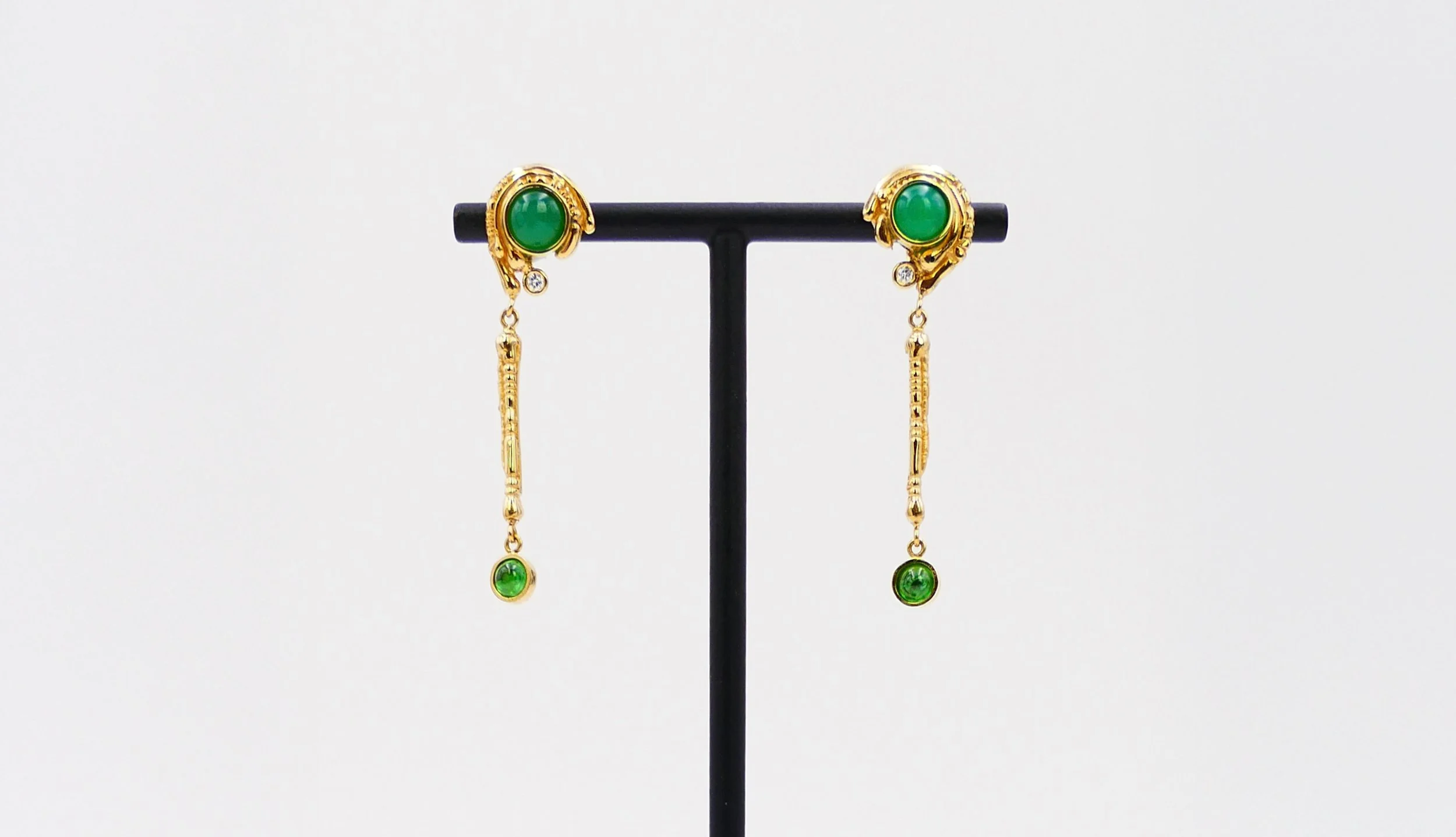
REF SQ5167535
“Perle d’Or”
Pair of earrings
18ct gold diamond & tsavolit
Model #6084
1998
Please contact us at
info@collectors-gallery.com
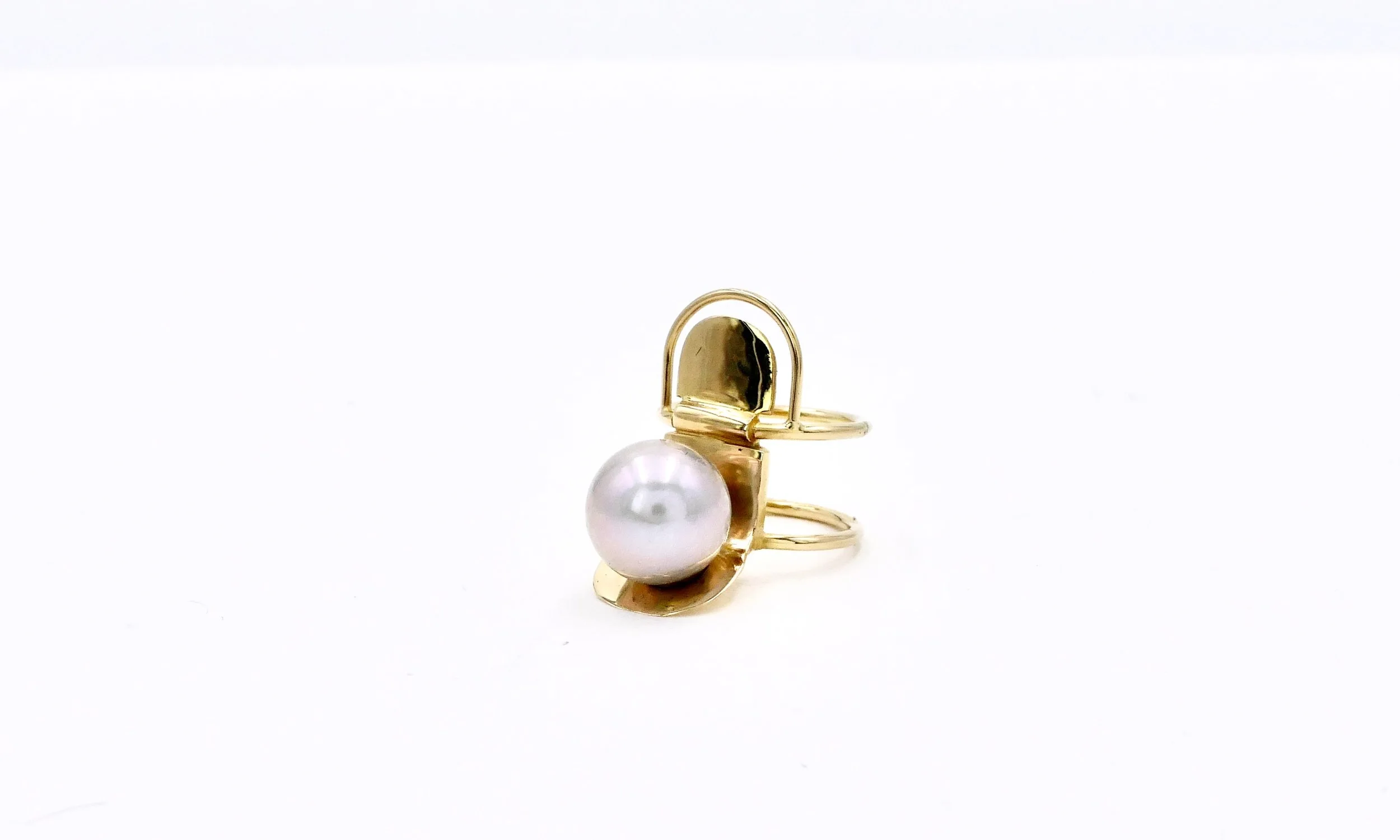
REF SQ4644543
18 ct gold and pearl modernist ring
Model # 7184
9,7 gr
Size 51 (ring can be resized)
2008
Please contact us at
info@collectors-gallery.com
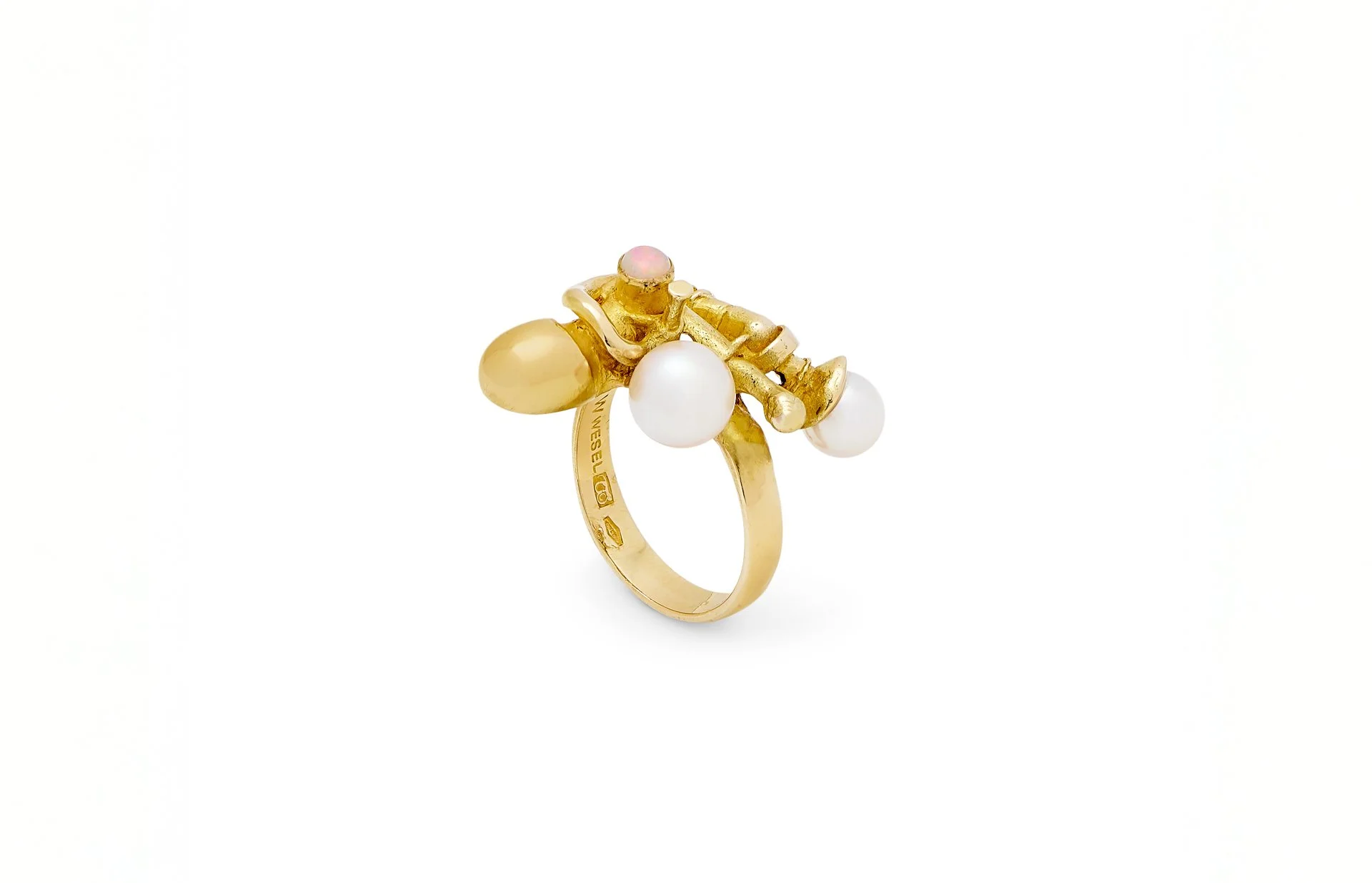
REF SQ0820583
18ct gold ring
with two pearls and one opal
Model # 3542
11,9 gr
Size 56 (ring can be resized)
1978
Please contact us at
info@collectors-gallery.com
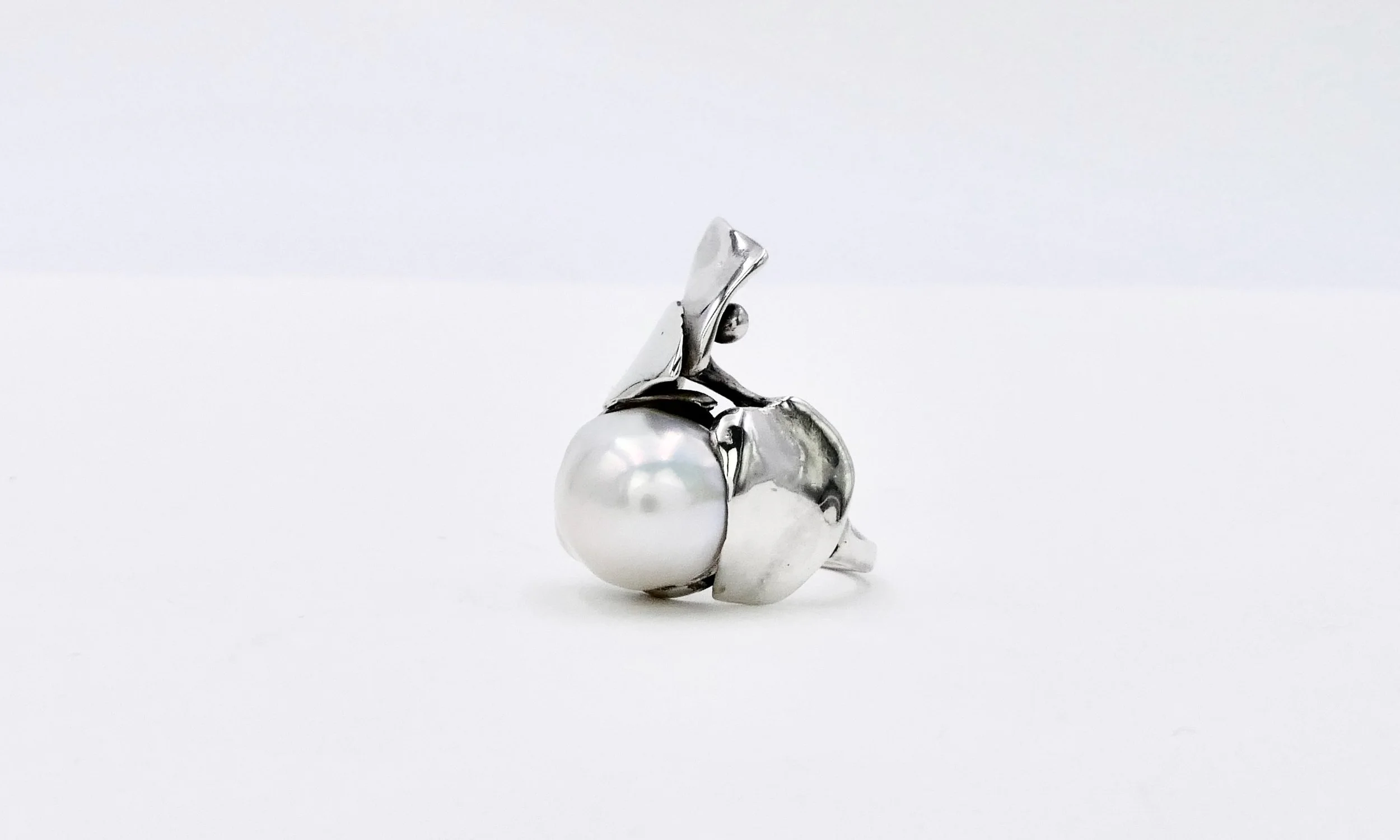
REF SQ3100536
Prototype (or ‘model zero’), used for placing orders
Silver and baroque pearl
Model # 1231
13,7 gr
Size 55 (ring can be resized)
1965
Provenance: artist’s family
Please contact us at
info@collectors-gallery.com
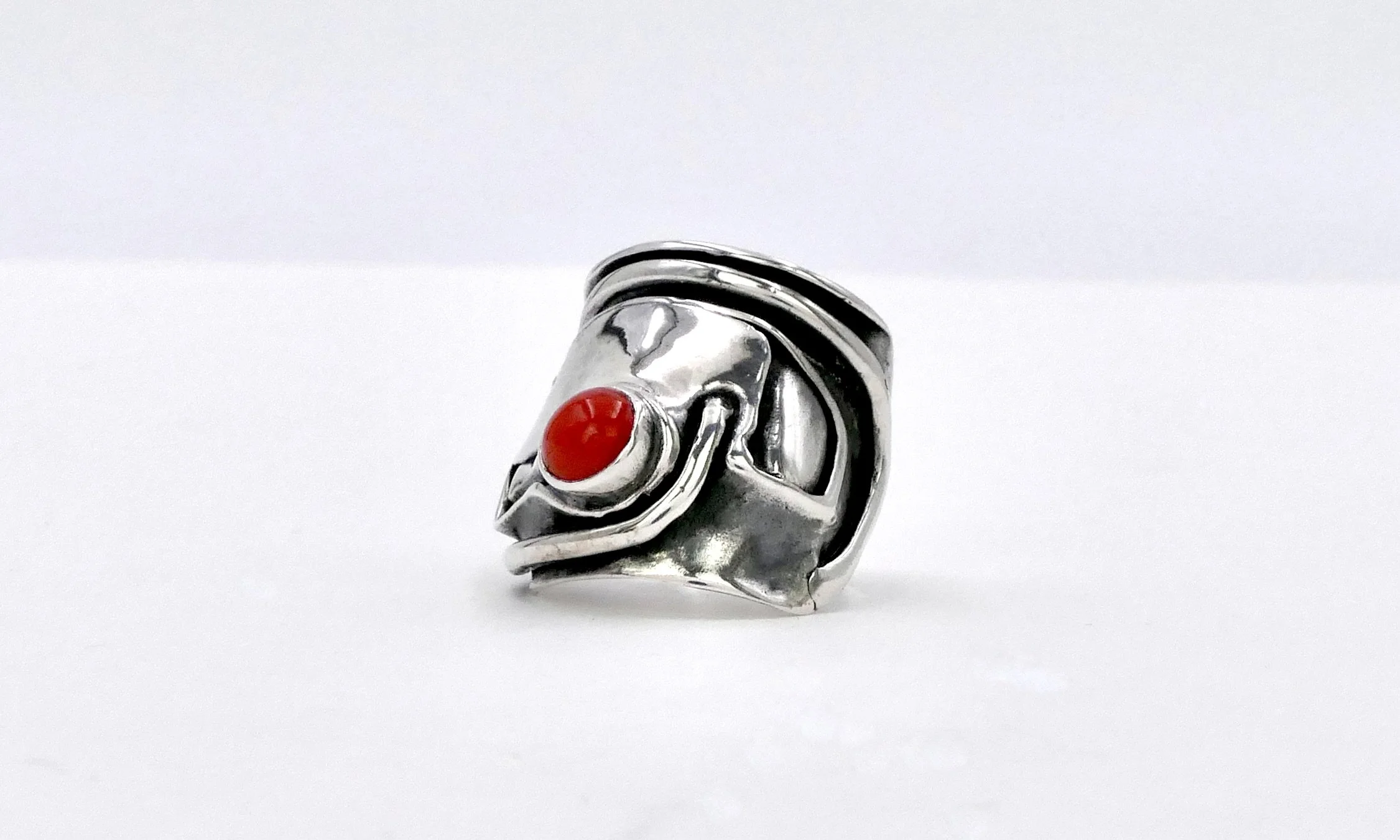
REF SQ8115550
Prototype (or ‘model zero’), used for placing orders
Model #1760
Silver, 13 gr
Size 54 (ring can be resized)
1962
Published: Belgian Modernist Jewellery. Ed Collectors Gallery p73
Provenance: Claude Wesel’s estate with Certificate
Please contact us at
info@collectors-gallery.com
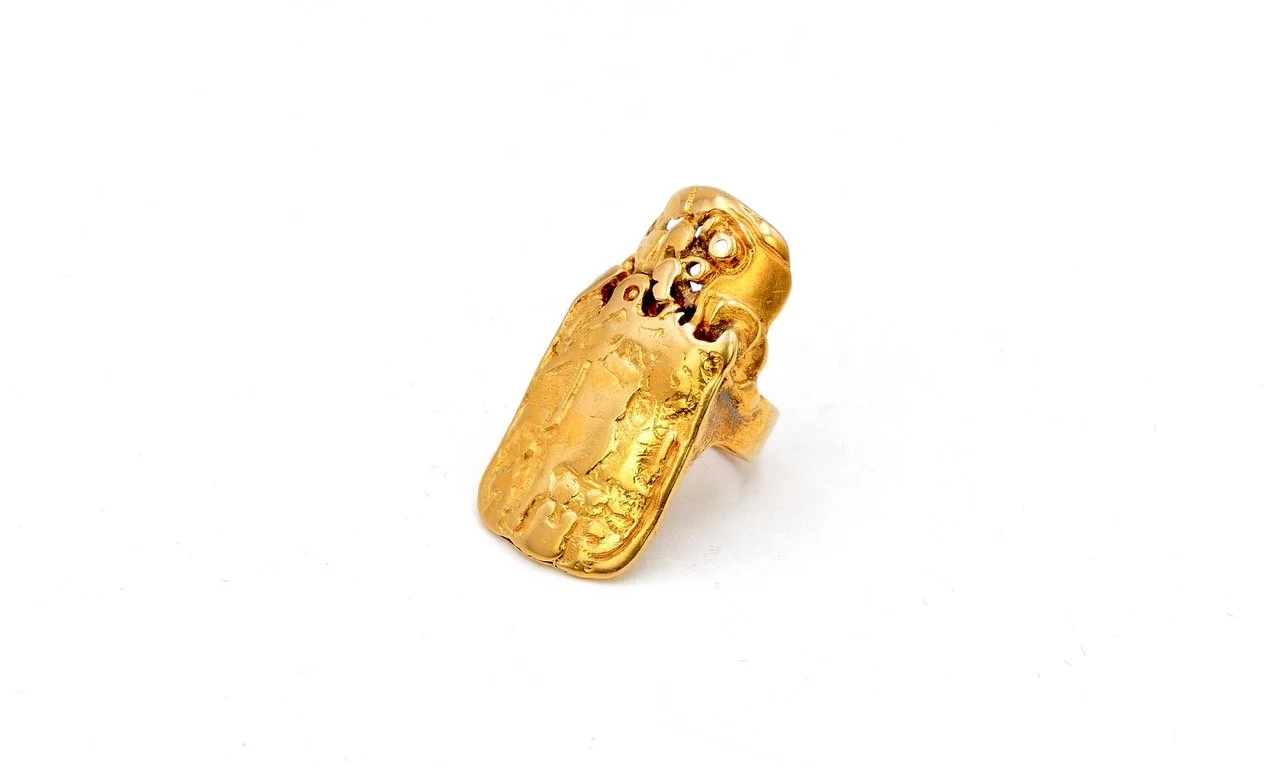
REF SQ3228873
Artist-jeweller: Claude Wesel (Belgium, 1942-2014)
18ct yellow gold ring
Size 53
13.25 g
Ca 1965
Please contact us at
info@collectors-gallery.com
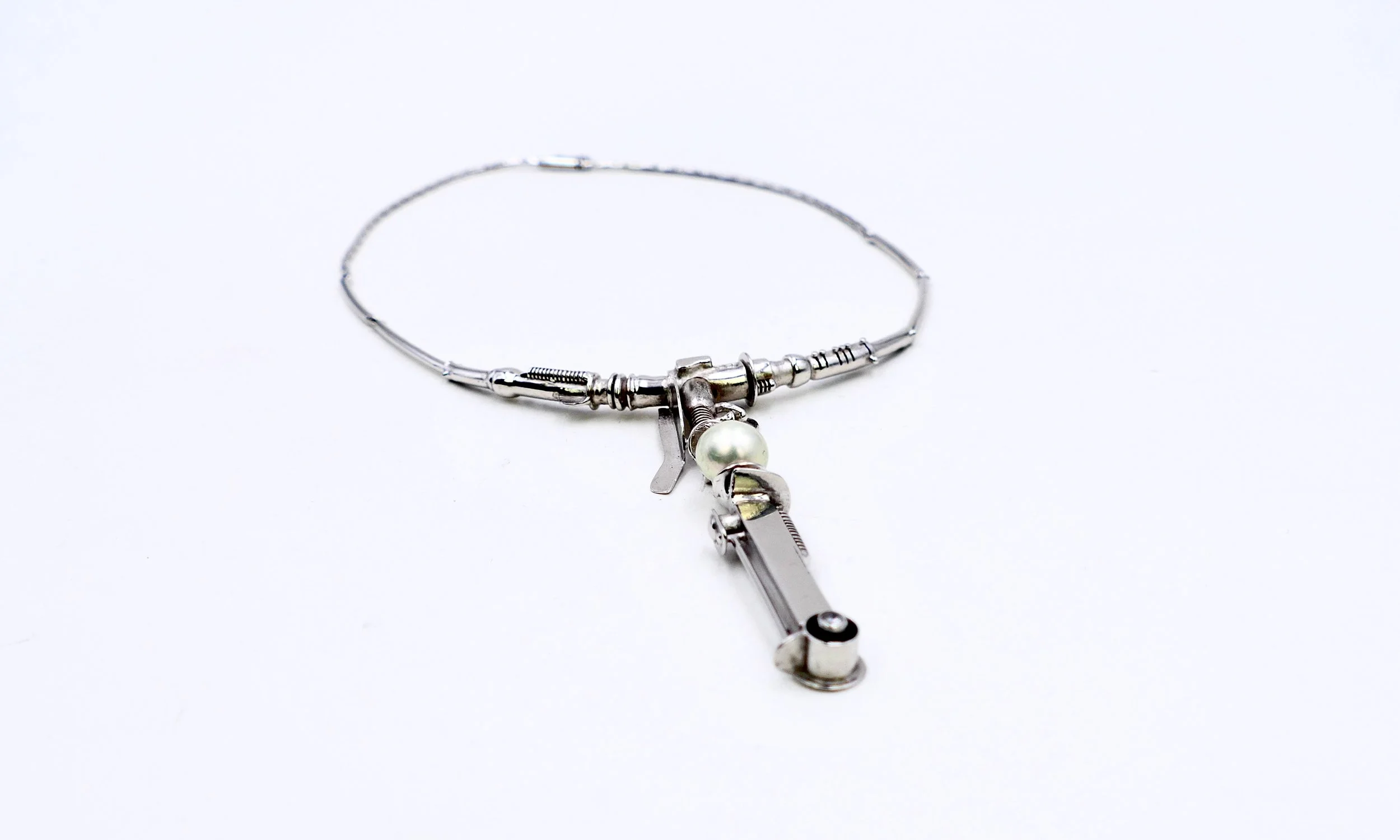
REF SQ3523272
for Polomé Jeweler Charleroi
Unique white gold necklace, pearl and diamond
Model #3563
35,5 g
1978
Please contact us at
info@collectors-gallery.com
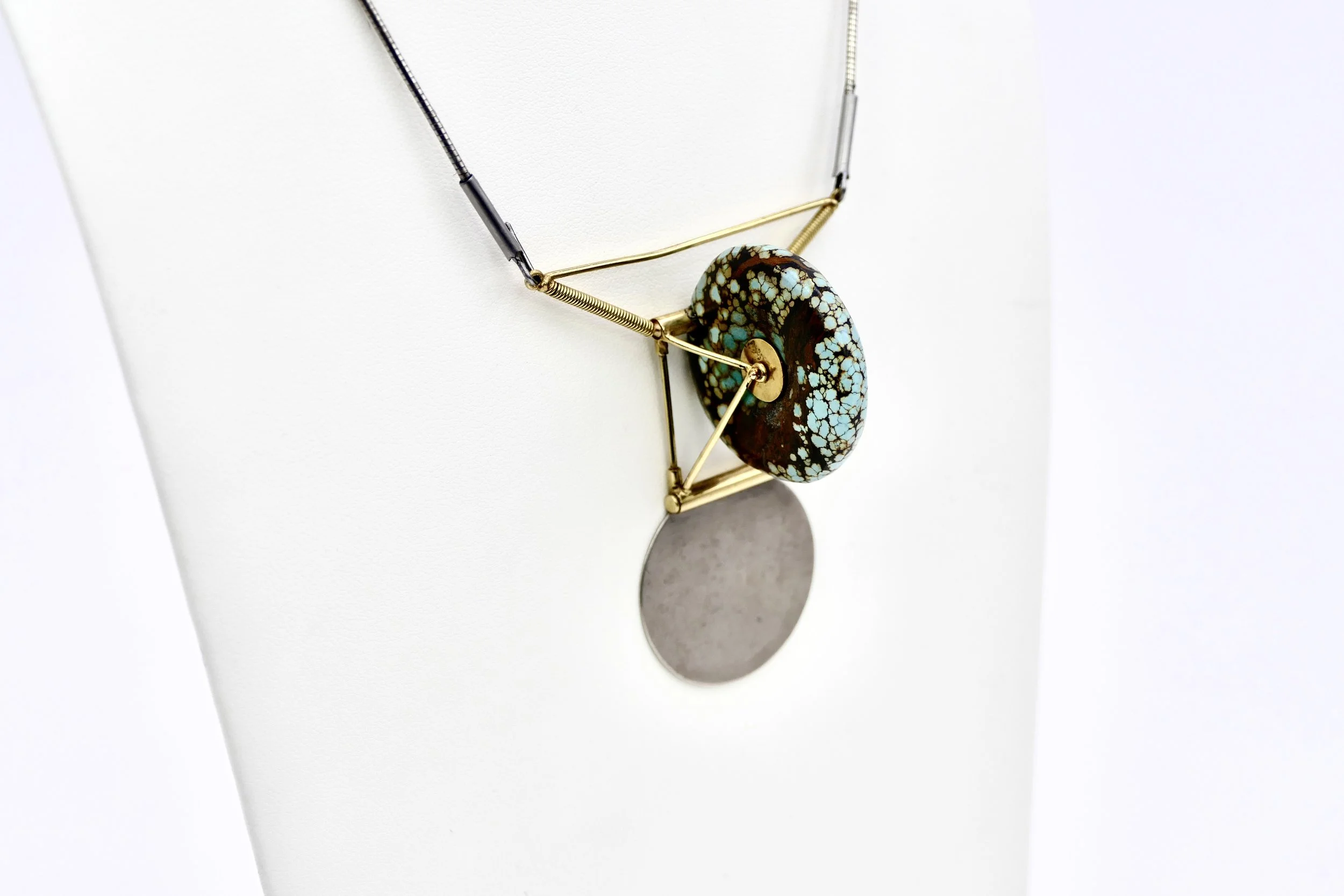
REF SQ7541868
Unique necklace
18ct gold, silver, steel and turquoise
Model #6636
2002
Please contact us at
info@collectors-gallery.com
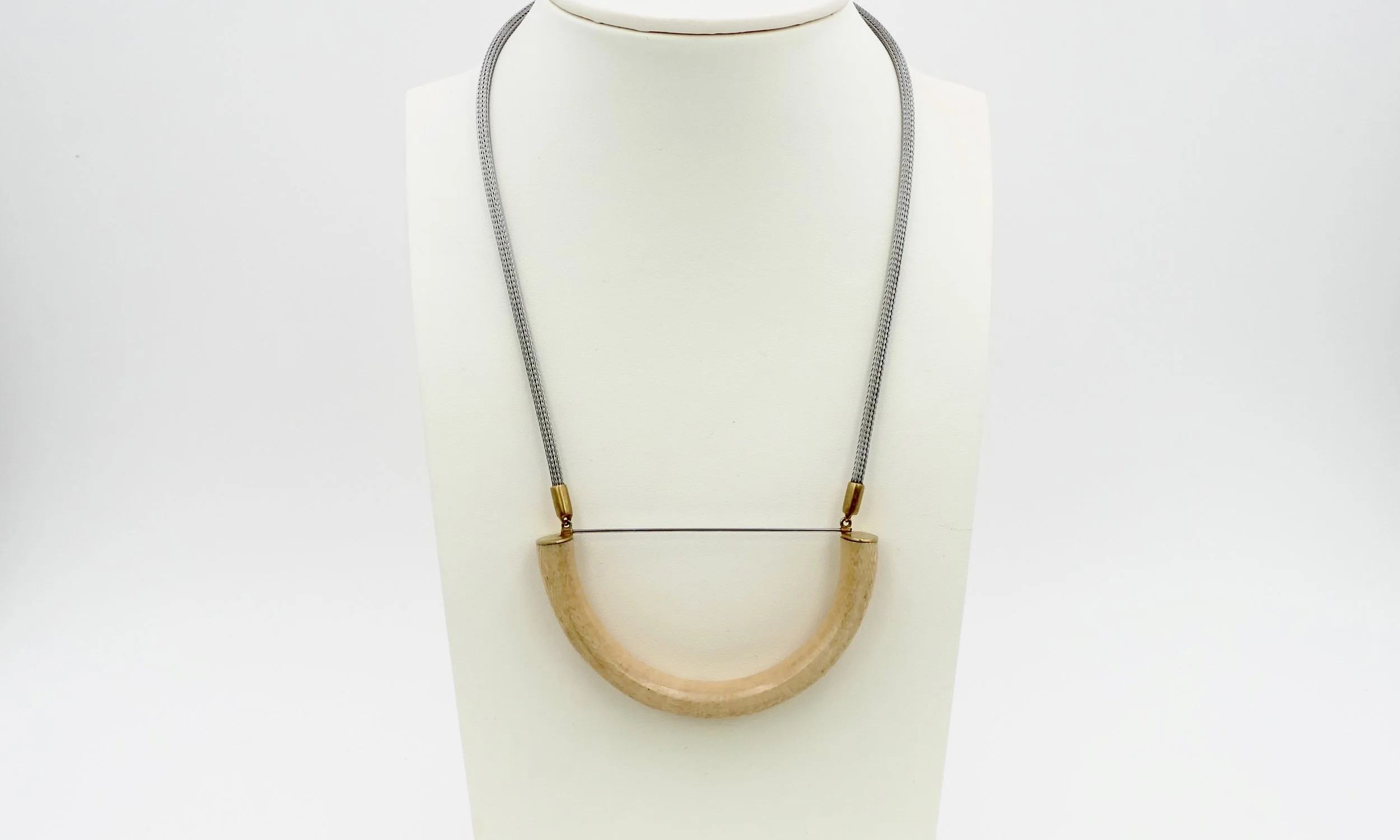
REF SQ4577453
“Le Sourire”
Unique pendant
Model #7217
18ct gold, silver, steel & ivory
2009
Please contact us at
info@collectors-gallery.com
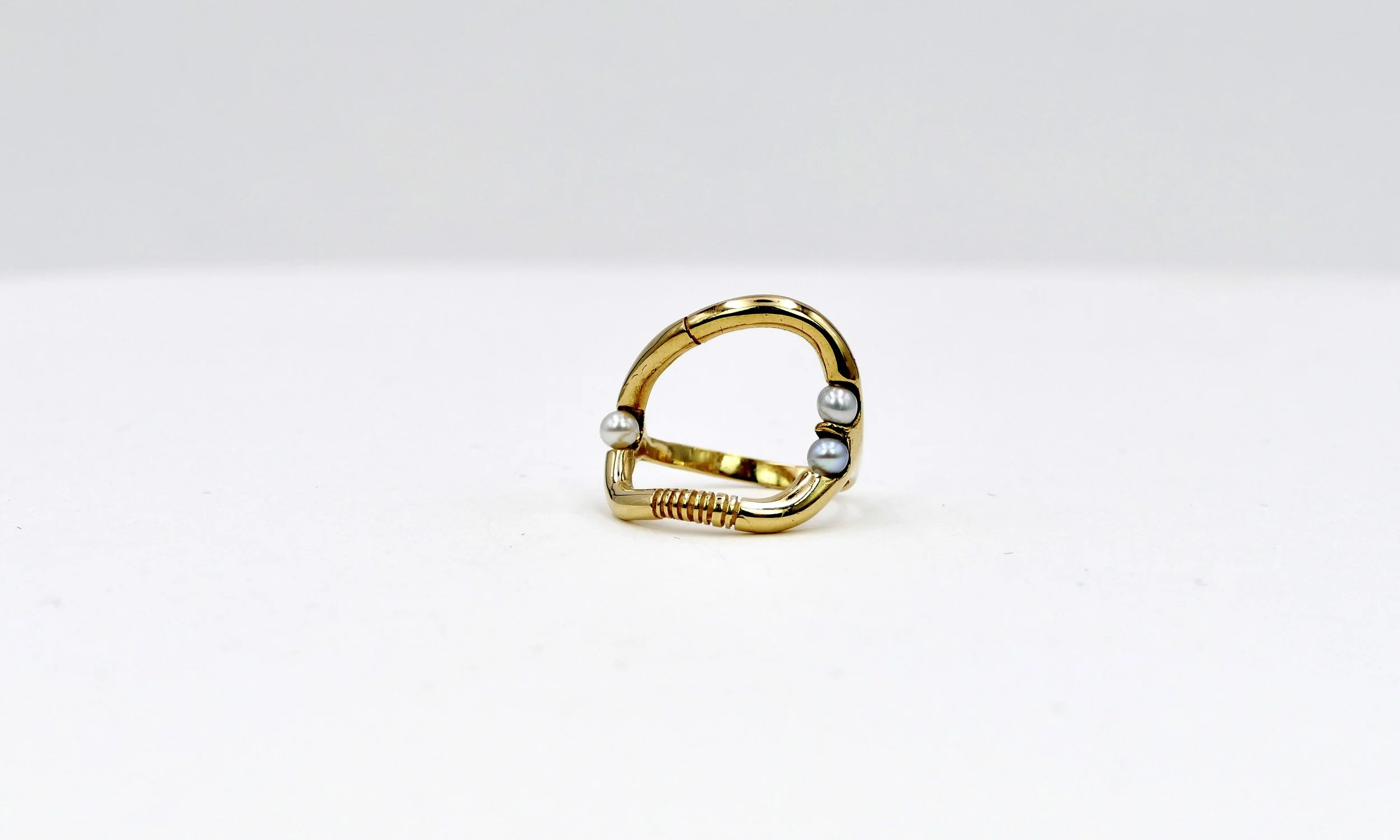
REF SQ6882675
18ct gold an pearls ring
Model #3687
1979
4,4 gr
Marked : Wesel - 0750 - artist's stamp
Please contact us at
info@collectors-gallery.com
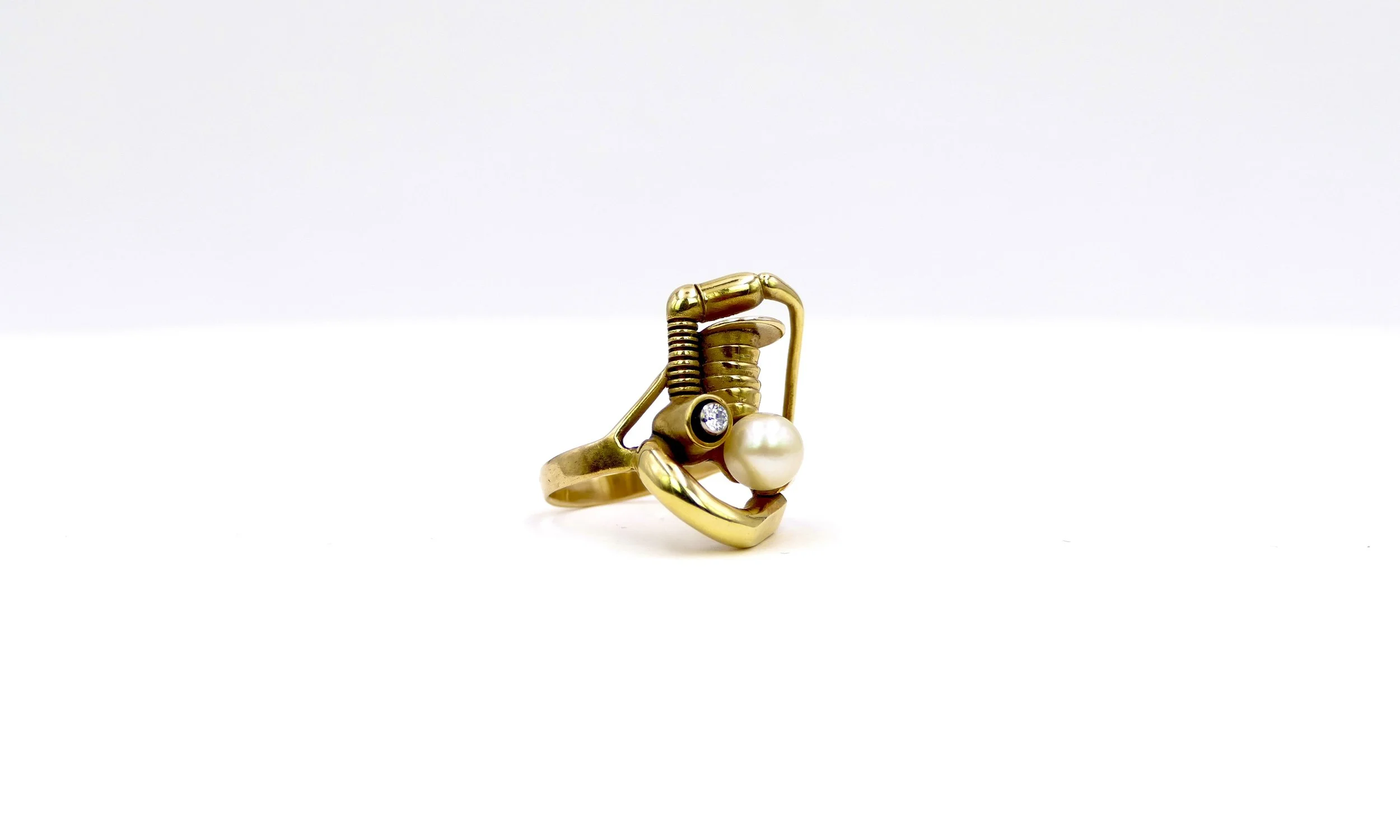
REF SQ7071864
18ct gold, pearl and diamond ring
Model #4140 and #4168
1983
Please contact us at
info@collectors-gallery.com
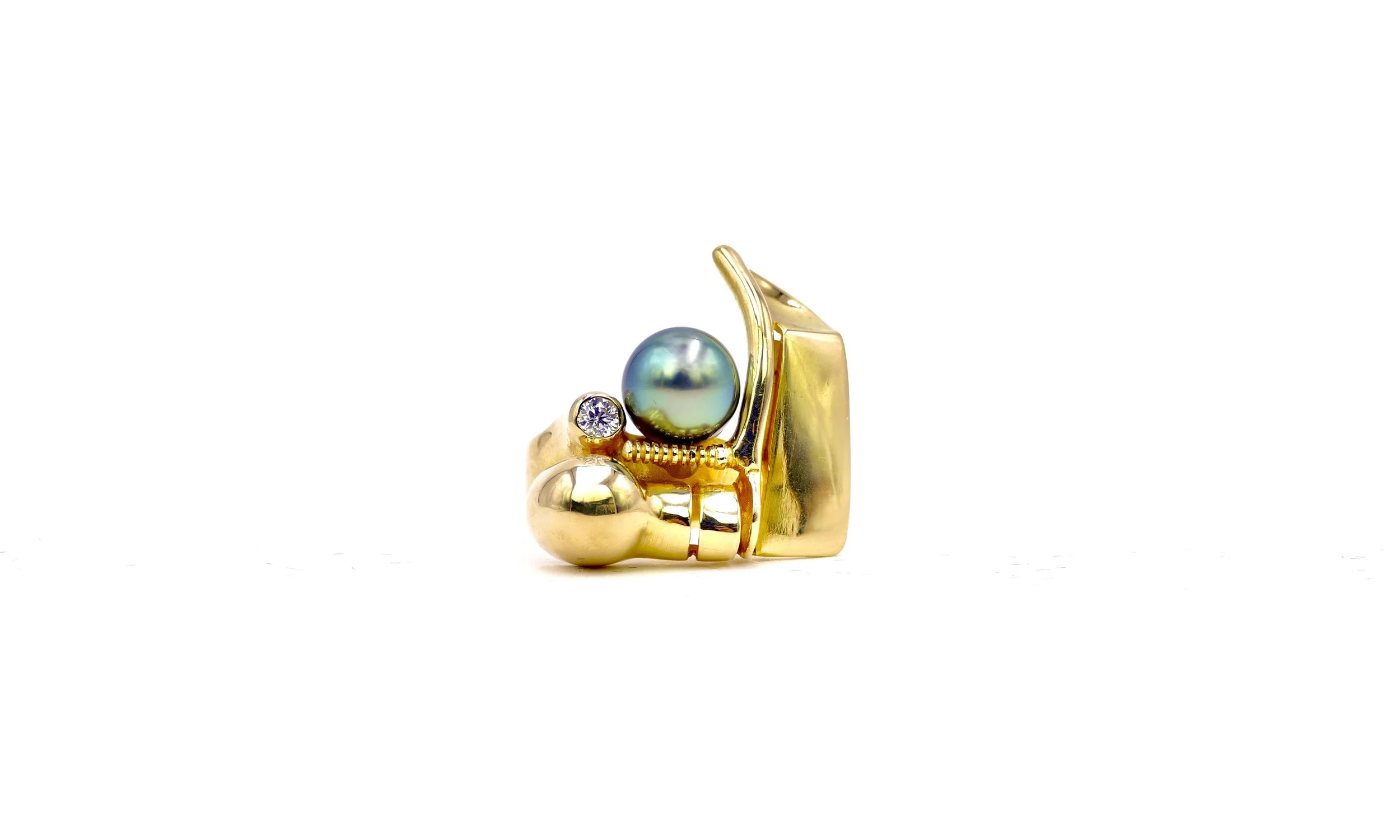
REF SQ5561038
18 ct gold, diamond (0,19ct SI), Tahiti pearl
Model #5862
1993
18,3 gr
Size 56
Please contact us at
info@collectors-gallery.com
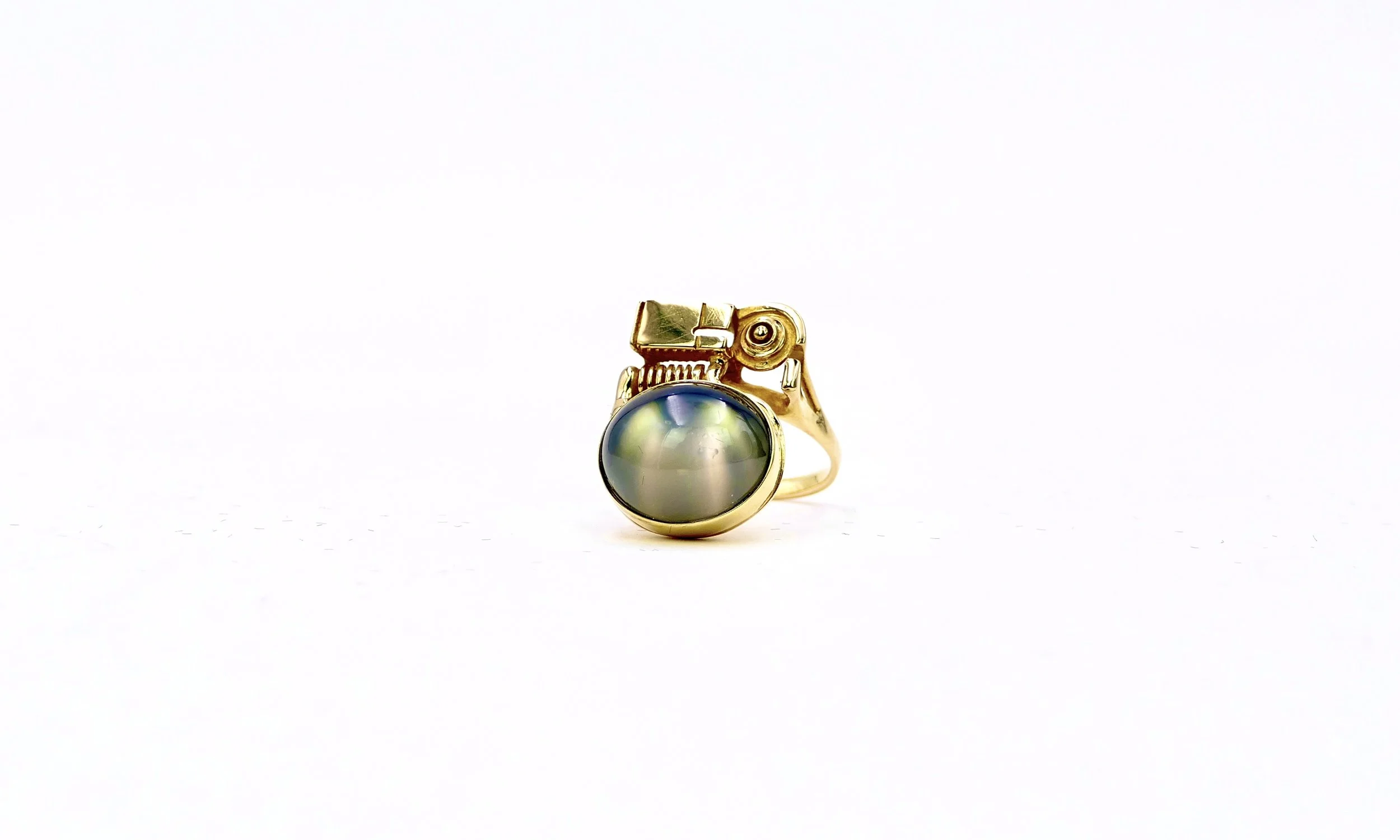
REF SQ8158831
18ct gold, moonstone cabochon
Model #4145
1983
12,3 gr
Size: 55
Please contact us at
info@collectors-gallery.com
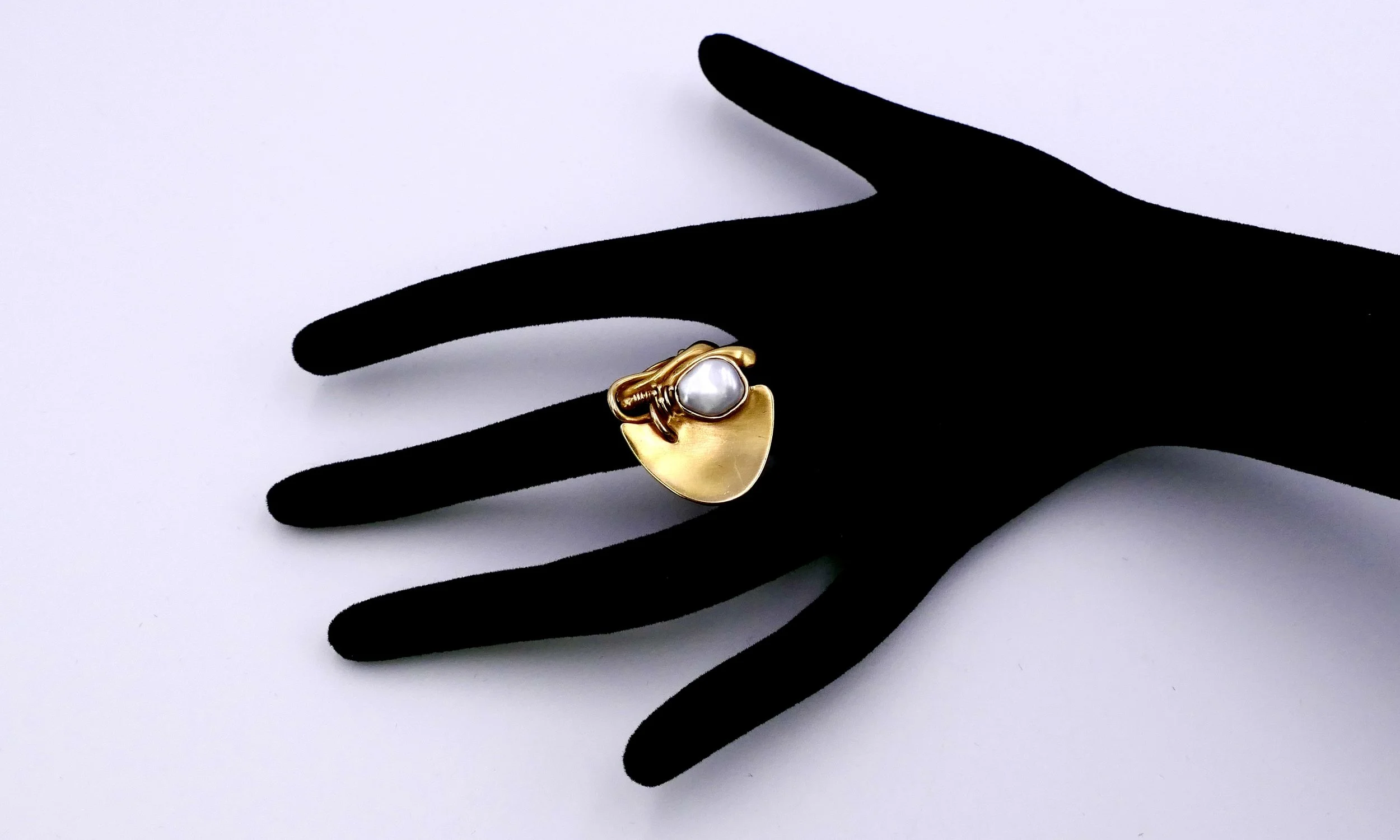
REF SQ4777801
A 18 ct gold and "Mabe" pearl ring designed by Claude Wesel for Fernand Demaret Studio
Size 52
14,4 gr
Marked : DEMARET - 0750 - Maker’s mark
Please contact us at
info@collectors-gallery.com

REF SQ7165885
Wedding ring
Model "Perle d'or"
1983
18 ct yellow gold
Sizes available on order
Posthumous production by rights' holders
Please contact us at
info@collectors-gallery.com
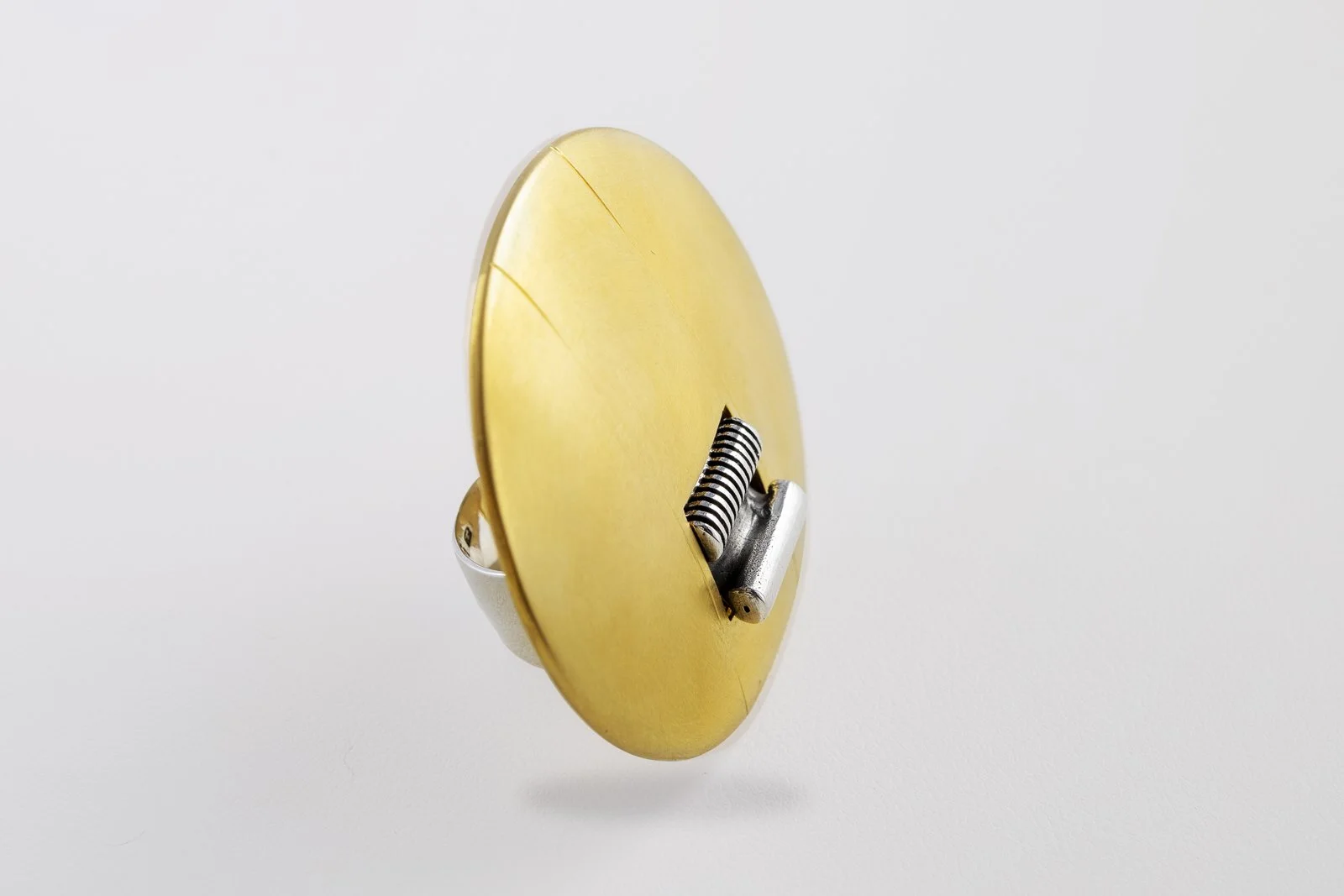
REF SQ1062823
"Disque"
18ct yellow gold, silver ring
Model #6823
20 gr
Size 54 (size can be adjusted by our workshop)
2002
Marked: Gold stamp - F Wesel - artist stamp
Posthumous production by rights' holders
Please contact us at
info@collectors-gallery.com
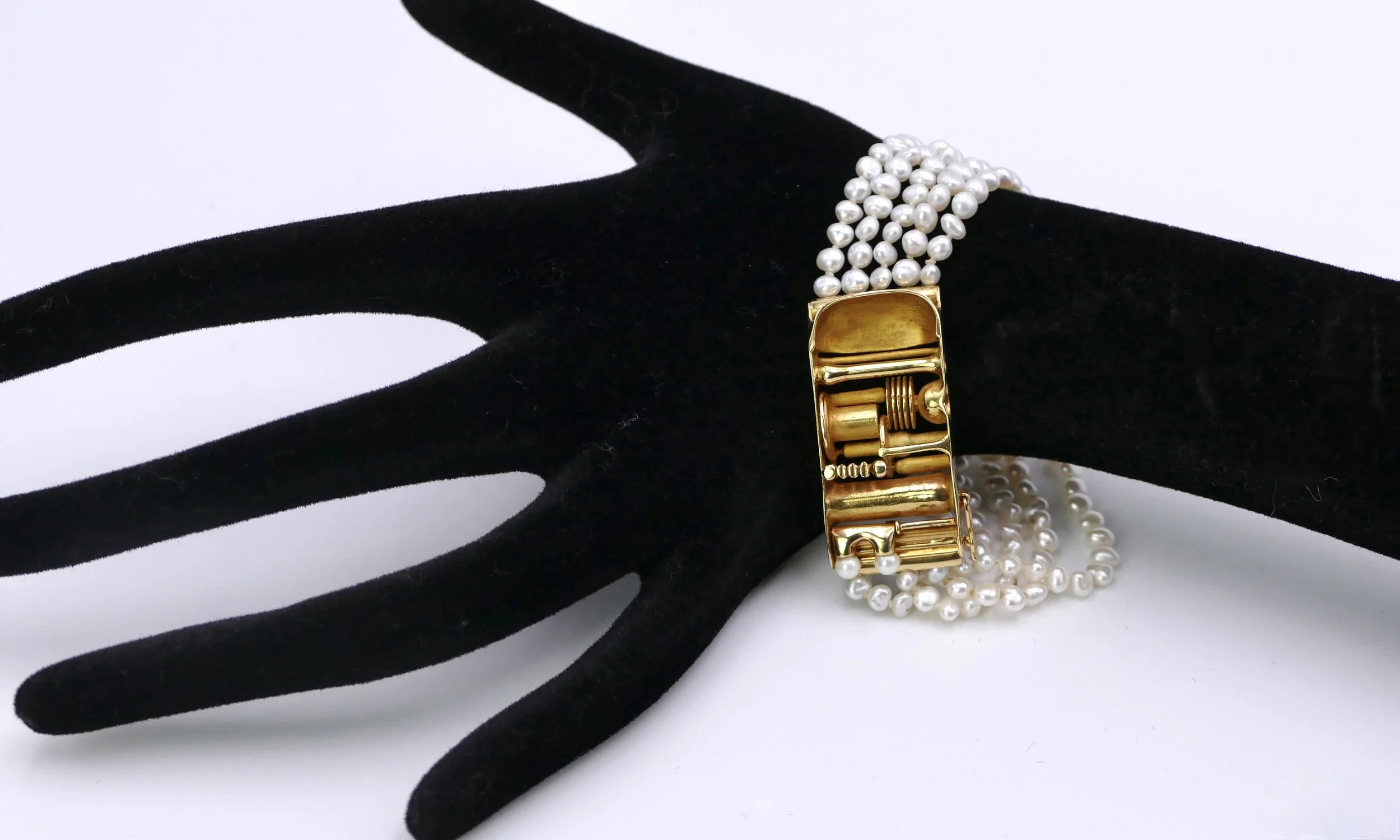
REF SQ4107511
18ct gold clasp with sculptural bio-mechanical abstract design
1979
Total length : 18,5 cm
Clasp : 4 x 2 cm
Total weight 28,2 gr
Model # 3714
Marked : Wesel - Artist's mark (lion in a Barrel)
Unique piece
copy of original’s drawing
Please contact us at
info@collectors-gallery.com
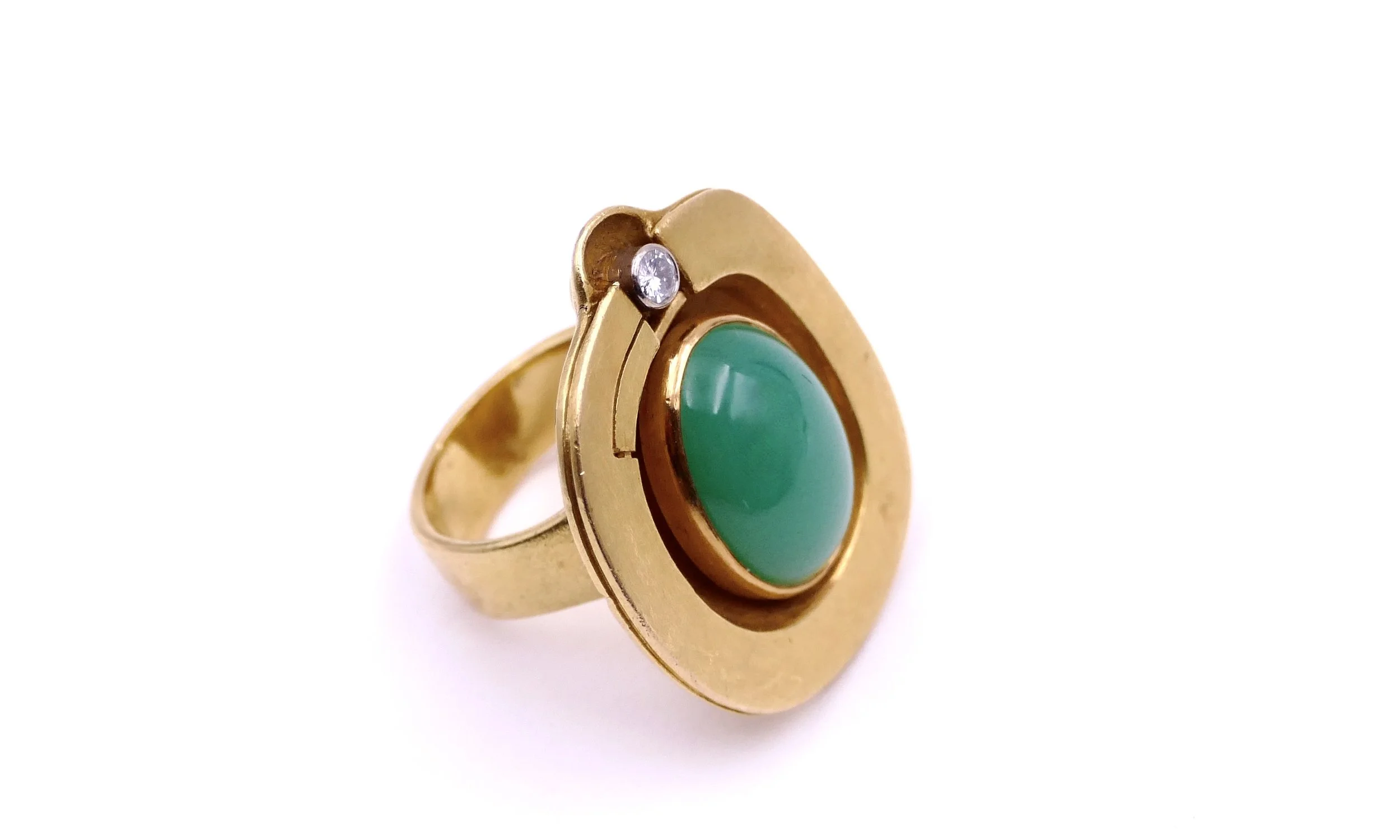
REF SQ5872811
A 18ct gold, chrysoprase cabochon and diamond ring from the π collection
1974
Dimension : 3,2 x 2,5 cm
23,9 gr
Size : 51
(The ring size can be adjusted by our workshop)
Marked : Wesel - artist stamp - 4 π 6 - gold stamp
Published in « Claude Wesel Artiste Bijoux Sculpture » by Fabienne Wesel 2022 - page 39
Please contact us at
info@collectors-gallery.com
TOO LATE

REF SQ3288173
A 18 ct gold and silver ring model « Tigresse » a masterpiece designed by Claude Wesel
According to his records, he designed the ring on January 12, 2000, and completed it within 48 hours.
Model # 7242
26 gr
L : 7,7 cm
Size : 53/54
(The ring size can be adjusted by our workshop)
Marked : W - Wesel - Artist’s mark - 0750 - 925 E.A.
Please contact us at
info@collectors-gallery.com
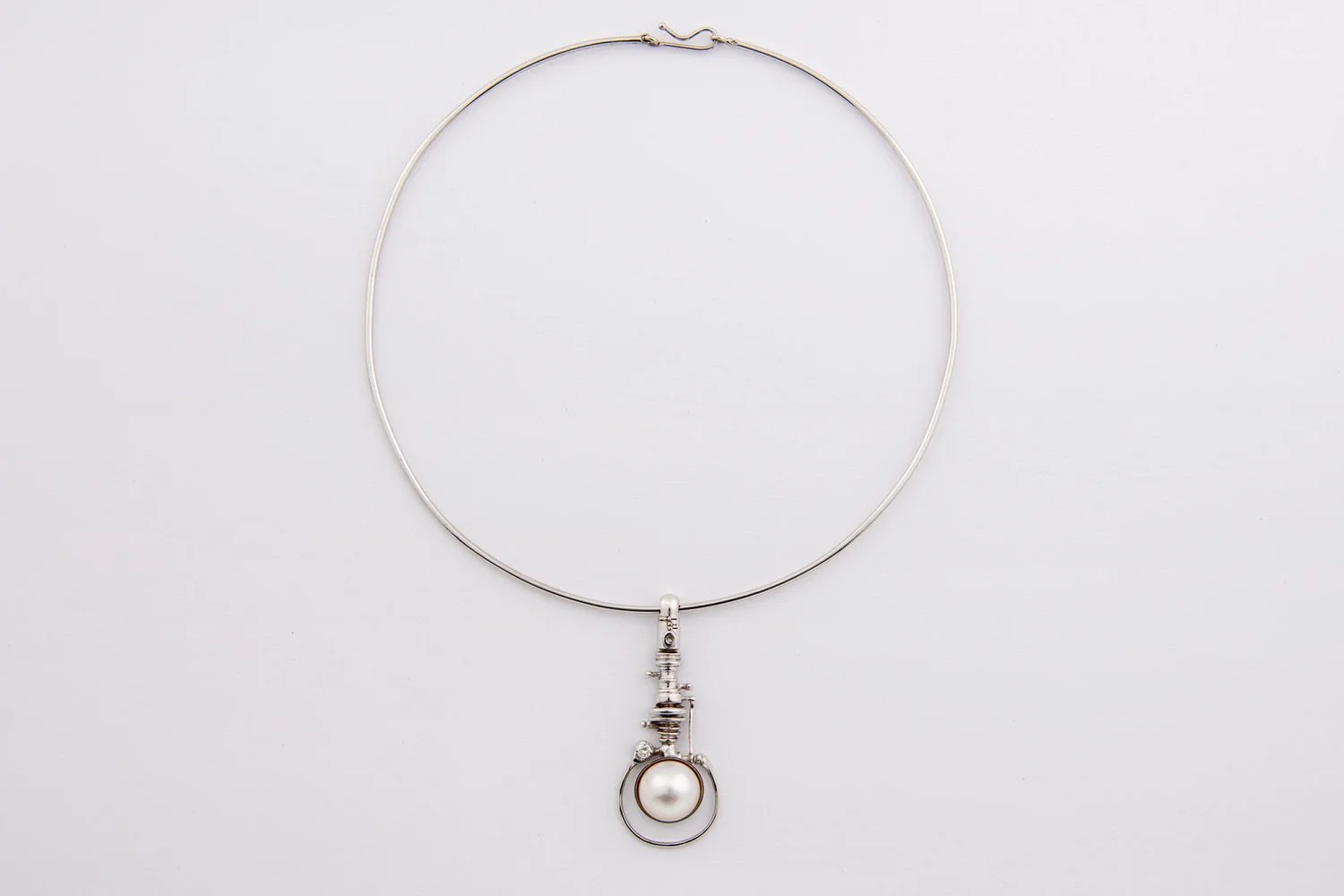
REF SQ6481273
Ca 1970’
18ct white gold pearls and diamonds abstract pendant. Original creation by Claude Wesel for Ferand Demaret studio.
Marked : Demaret stamp - 750

SQ7601589
Very elegant and theatrical golden ring designed by Claude Wesel, model «Monseigneur»
Circa 1970’s
Gold 18 kts
L : 5 cm
Size ring : 55
Markings : losange - 750 - Artist’s stamp (stylised lion in a barrel) - W - Wesel

REF SQ7883426
Ca 2000
Silver
Opale
3,7 x 2,3 cm
Size 54
Markings : W WESEL 835 artist stamp
Please contact us at info@collectors-gallery.com

REF SQ4643028
Circa 2000
Gold and moonstone
Price on demand
Length 3, 3cm - Width 2, 5 cm
Size 56
Markings : losange - 750 - Artist’s stamp (stylised lion in a barrel) - W - Wesel
Please contact us at
info@collectors-gallery.com

REF SQ5205500
Very elegant gold and tourmaline ring by Claude Wesel
Ca 2004
Unique Piece
Price on Demand
Length 3,9 cm - Width 2, 2 cm
Size 57
Markings : losange - 750 - Artist’s stamp (stylised lion in a barrel) - W - Wesel
Please contact us at
info@collectors-gallery.com

REF SQ5874556
Original design by Claude Wessel for Fernand Demaret Studio
Circa 1970’
A 18ct ring with cabochon’s rubis, diamonds.
12 gr
Length 3,2cm Width 1,6cm
Marked : gold stamp - Demaret stamp - Wessel stamp
Please contact us at
info@collectors-gallery.com

REF SQ3145183
18ct yellow gold - citrine
L 3 cm (1,18 inches) - W 2,3 cm (0,90 inches)
Size 55 (Could be resized)
Marked : artist stamp - 750
Please contact us at
info@collectors-gallery.com

REF SQ3668636
ca 1960
18ct yellow gold and moissanite
Total weight : 23,7 gr
Dim : 2,6 x 2 cm (1,02 x 0,79 inches)
Size : 53/53
Marked: 0750
Please contact us at
info@collectors-gallery.com

REF SQ8677637
Ca 1970
18 ct yellow gold, diamond ancient cut 0,45
Size 54 (could be resized)
Marked : Gold stamp - Artist’s stamp
Please contact us at
info@collectors-gallery.com

REF SQ3613471
Ca 1960. Special order. Unique piece.
18 ct yellow gold , 7 brillant cut diamond ( 0,32; 0,28; 2 x 0,10; 3 x 0,8)
Clarity VF Color F, Bicolor Tourmaline, Cultivated pearl
Length 3,5 cm / 1,4 inches
Size 51 (could be resized)
Marked : Gold stamp - Artist’s stamps
Please contact us at
info@collectors-gallery.com

REF SQ3802855
Unique Piece
Ca 1990’s
Very elegant abstract necklace by Claude Wesel
Chainmail, Yellow Gold , silver , freshwater pearl, Diamond 0,1 ct
L : 44 cm (17,32 inches)
Pendant : 12,9 x 5,5 cm (5,07 x 2,17 inches)
Marked : 750 - artist stamp - Wesel
Please contact us at
info@collectors-gallery.com

REF SQ8677637
1977
Sterling Silver
Diam 6 cm / 2,4 inches
H 7 cm / 2,7 inches
Marked : Wesel - A925- artist’s stamps- W 3.0. - 1.3.2
Please contact us at
info@collectors-gallery.com

REF SQ2142143
Unique piece
Large conical shape with abstract design
Ca 1977
18 ct yellow gold
Claude Wesel archive # 3155
79 Gr
High 4 cm / 1,6 inches
Diameter 5,7 x 6,7 cm / 2,2 x 2,6 inches
Marked : Gold stamp
Please contact us at
info@collectors-gallery.com

REF SQ3067607
Unique Piece
White gold, 18 ct yellow gold and Opale spectacular ring
Ca 1960’s
Length 3,7 cm / 1,5 inches
16 Gr
Size 55
Marked : Artist’s stamp - Gold stamps
Please contact us at
info@collectors-gallery.com

REF SQ4540512
Claude Wesel for Fernand Demaret Studio : gold and opal abstract bio-mechanical design necklace
Unique Piece
1960s
18ct yellow gold, pearl, opal, diamond 0,25 kts
115 Gr
Pendant 9 x 7 cm / 3,6 x 2, 8 inches
Necklace diameter 12 cm / 4,7 inches
Marked : DEMARET- 0750 - Demaret stamp - Wesel
Please contact us at
info@collectors-gallery.com

REF SQ0332860
Ca 2000’s
18 ct yellow gold ring ( matt and shiny polished )
22 Gr
Width 4 cm / 1,6 inches
Size 54
Marked : Artist’s stamp - gold stamp - Wesel - W3.D 3.1.1
Please contact us at
info@collectors-gallery.com

REF SQ8280017
Model #3571. Collection “Plan” #5. 1974.
18 ct yellow gold and grey pearl ring
20 Gr
2,8 x 2,8 cm / 1,1 x 1,1 inches
Size 55
Marked : Artist’s stamp - gold stamp - Wesel
Please contact us at
info@collectors-gallery.com

REF SQ1165125
Very iconic silver ring “Vertebre” by Claude Wesel
Ca 2010
Silver
L 3,9 cm - W 2 cm (L 1,53 x W 0,79 inches)
Size 55
Marked : 925 - Artist’s stamp (stylised lion in a barrel) - W - Wesel
Please contact us at
info@collectors-gallery.com

REF SQ0307281
Ca 1980
18 ct yellow gold, Opal
11 Gr
4 cm / 1,6 inches
Size 54
Marked : Artist’s stamp - Gold stamps
Please contact us at
info@collectors-gallery.com

REF SQ8614427
Circa 1960’s
18ct yellow gold, sapphire cabochon and diamond 0,1 ct. Special order. Unique piece
L 3,6 cm (1,41 inches) - W 2,4 cm (0,94 inches)
Size 51 (could be resized)
Marked : Demaret - 18ct gold stamp
Please contact us at
info@collectors-gallery.com

REF SQ3464688
Unique Piece
Claude Wesel abstract pendant
18 ct yellow gold, Opal, resin
7,8 x 5,4 cm / 3,1 x 2,1 inches
Marked: W - Wesel Artist stamp - Gold Stamps
Neckring sold separately
Please contact us at
info@collectors-gallery.com

REF SQ2577580
2001
18ct Yellow and white gold, Tahiti pearl and diamond
18,2 gr
Dim 2,8 x 2,8 cm
Model #6858
Size 54
Marked : 750
Provenance : Claude Wesel’s estate
Please contact us at
info@collectors-gallery.com

REF SQ6335252
Circa 2004
18ct yellow gold and Tahiti pearl
L 2,4 cm (0,94 inches) - W 2,3 cm (0,90 inches)
Size 53
Marked : 750 - Artist’s stamp (stylised lion in a barrel) - W - Wesel

SQ4771377
Ca 1980
18 ct yellow gold and Pearl
2,1 x 1,3 cm / 0,8 x 0,5 inches
Marked : DEMARET - artist’s stamp - 750
Please contact us at
info@collectors-gallery.com

REF SQ7555307
1968
18ct Yellow gold, silver
24,8 gr
Dim 5,2 x 4,3
Model #3350
Marked : Wesel - Artist’s mark - 750
Provenance : Claude Wesel’s estate
Please contact us at
info@collectors-gallery.com

REF SQ3681485
Circa 2000
18ct yellow gold and Tahiti grey pearl
L 2,3 cm (0,90 inches)
Pearl diam 1,2 cm (0,47 inches)
Size 55
Marked : 750 - Artist’s stamp (stylised lion in a barrel) - Wesel
Please contact us at info@collectors-gallery.com

REF SQ3101032
Necklace « Maya » : an abstract Bio-mechanical design. A large and impressive coral necklace and its articulated gold pendant.
Claude Wesel made few of this model. Each one is unique.
(Rings sold separately)
2004
18 ct yellow gold and coral necklace
134 Gr
Pendant 15,7 cm x 1,6 cm / 6,2 x 0,6 inches
Marked : WESEL -W-750- artist stamp
ON DISPLAY AT BRAFA - BOOTH #10
Please contact us at
info@collectors-gallery.com

REF SQ7650623
2001
18ct Yellow gold and 925 silver ring
13,4gr
Dim 4,1 x 2 cm
Size 53 (adjustable)
Marked : Wesel - Artist mark - W - 750 - 925
Please contact us at
info@collectors-gallery.com

REF SQ5267687
1980
18ct Yellow gold, diamond and multicoloured pearls
The front gold decorative gold element used as a clasp
53,2 gr
42 cm
Marked : Wesel - Artist’s stamp - 750
Please contact us at
info@collectors-gallery.com
REF SQ1340408
Disque Abstract silver ring
Model #5541
25,7 g
Size 53 (ring can be resized)
1993
Provenance: Claude Wesel’s estate
Please contact us at
info@collectors-gallery.com