
 Image 1 of 4
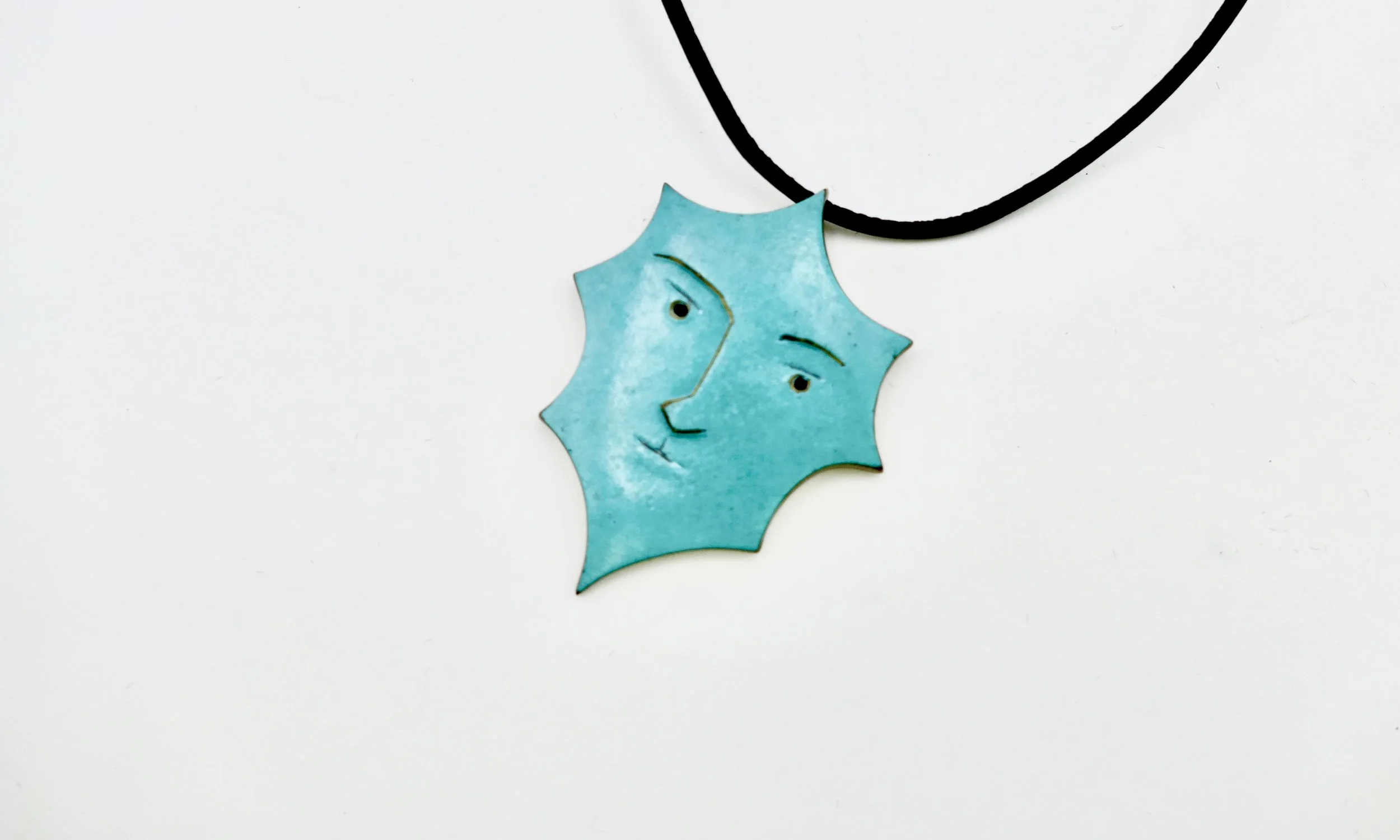 Image 2 of 4
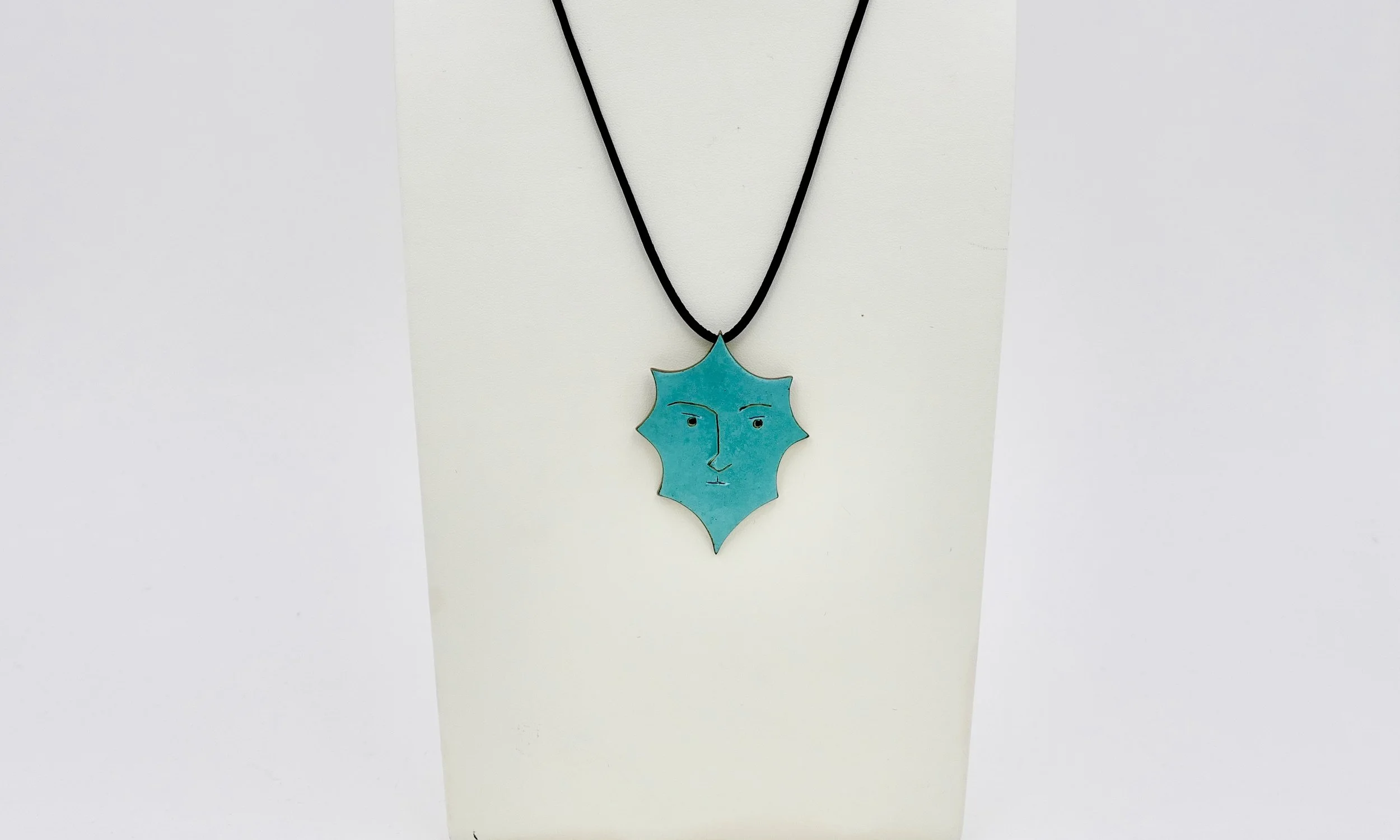 Image 3 of 4
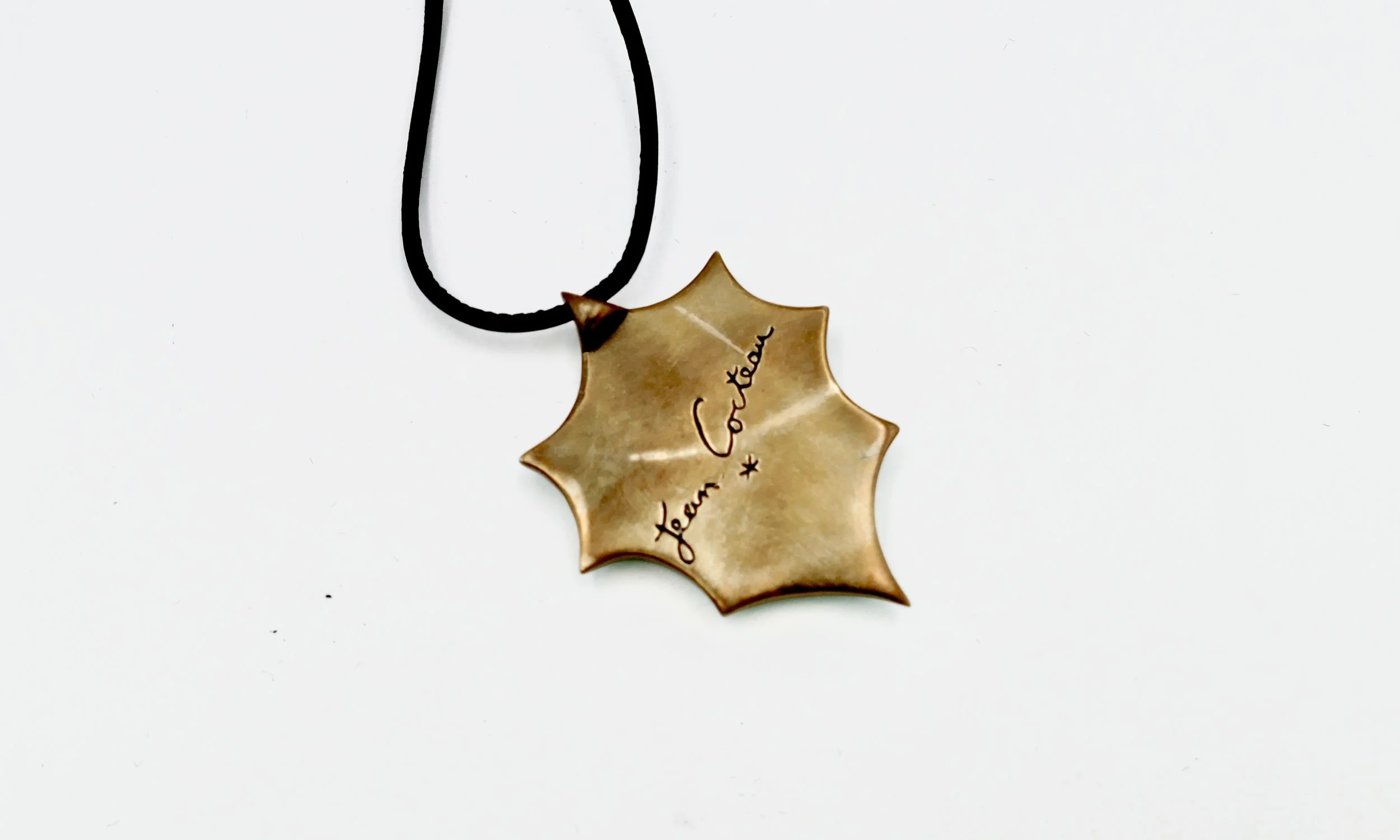 Image 4 of 4
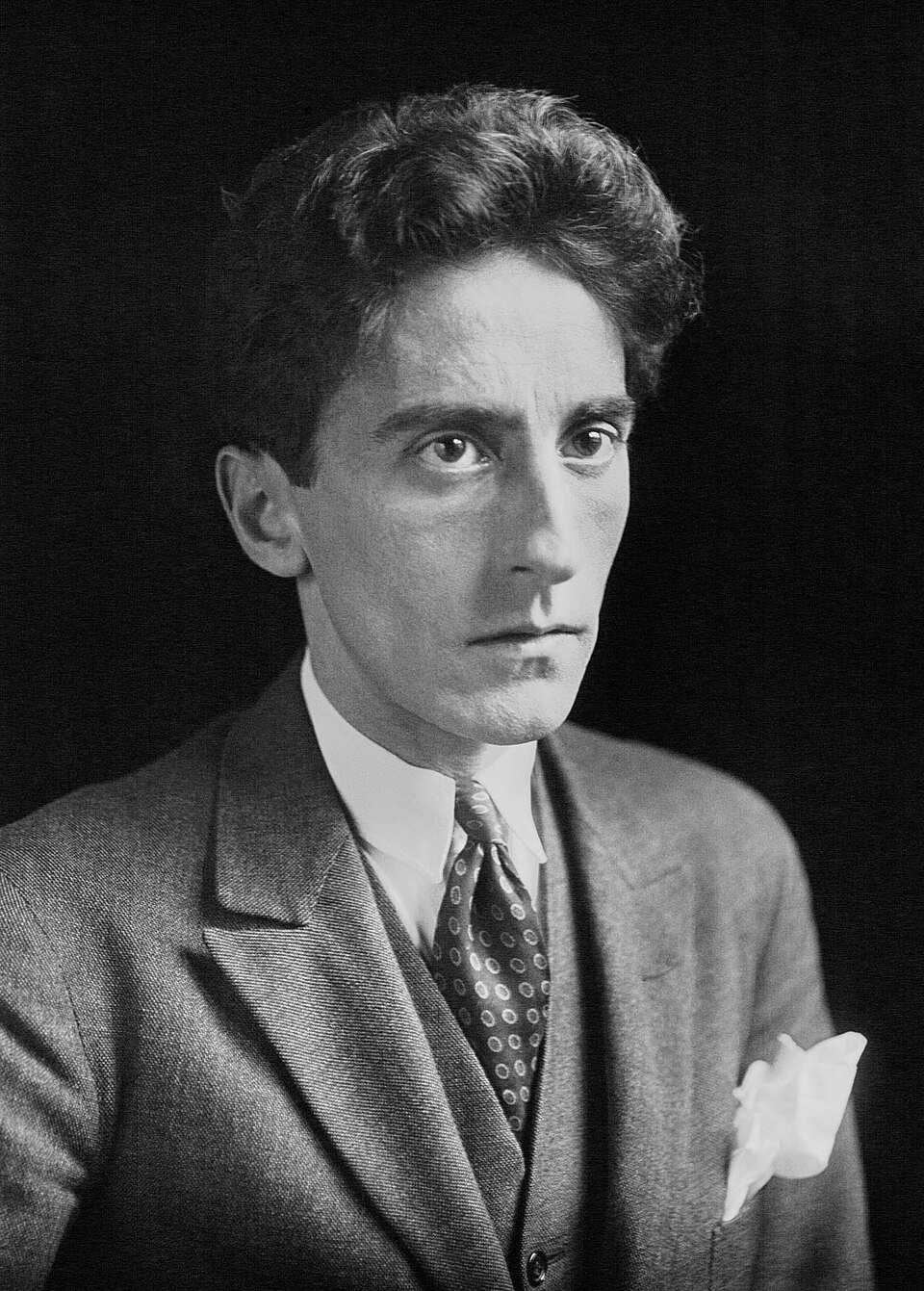
JEAN COCTEAU
(1889–1963)
Jean Cocteau (1889–1963) was one of the most versatile and influential figures of 20th-century French culture. A poet above all, he was also a novelist, playwright, filmmaker, visual artist and designer. His extraordinary ability to move freely between different artistic disciplines made him a unique figure within the Parisian avant-garde.
Born in Maisons-Laffitte in 1889, Cocteau quickly became immersed in the artistic circles of Paris. He collaborated with some of the leading figures of his time, including Pablo Picasso, Sergei Diaghilev, Erik Satie and Coco Chanel. His work was deeply influenced by mythology, ancient Greece, dreams and the idea of transforming everyday reality into something mysterious and poetic.
Cinema became an important part of his career, with films such as The Blood of a Poet (1930), Beauty and the Beast (1946) and Orpheus (1950), which established his distinctive visual language. At the same time, he developed an extraordinarily personal style of drawing, characterized by a fluid, almost uninterrupted line. Faces, profiles, eyes, stars, animals and mythological figures became recurring motifs throughout his work.
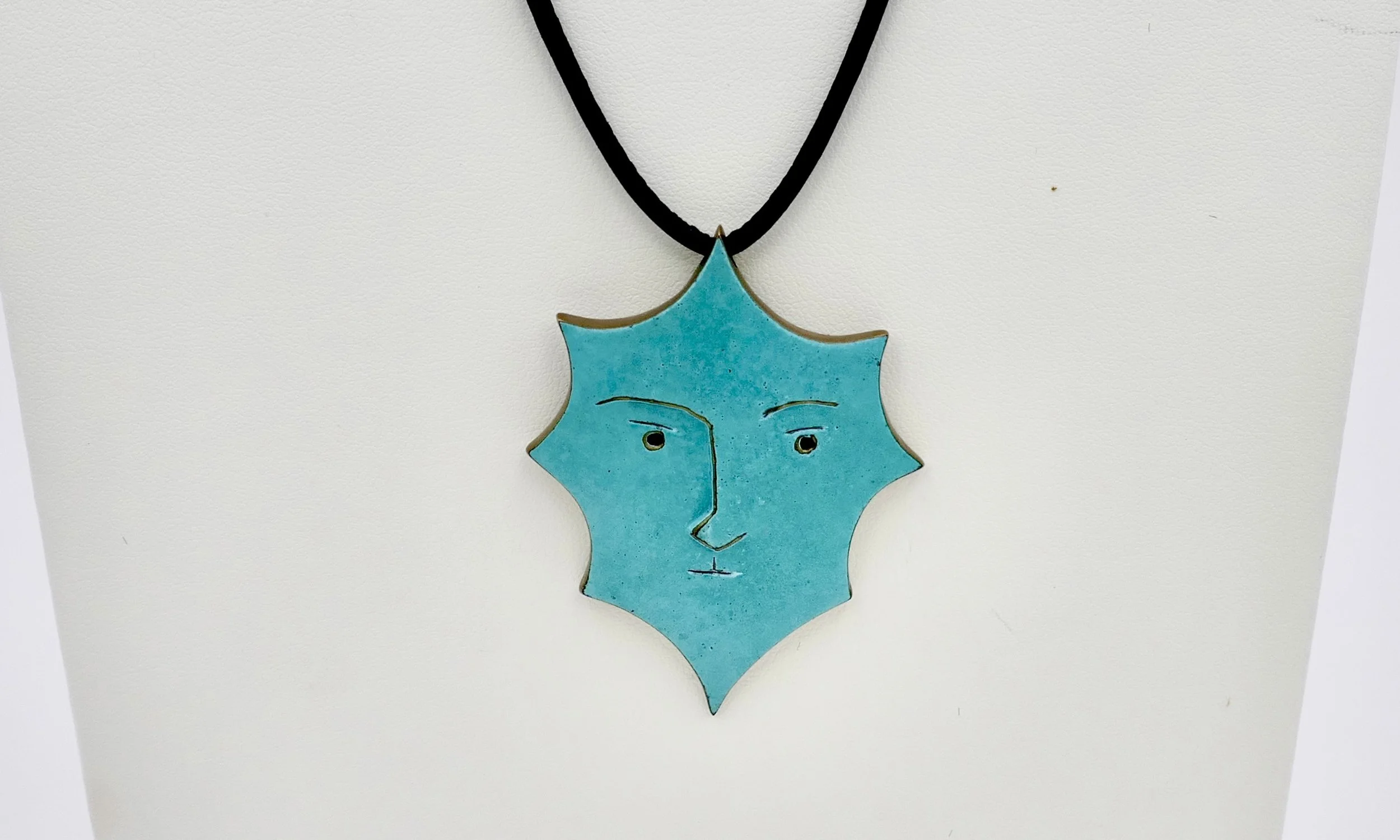
Jewellery occupied a particularly fascinating place in Cocteau’s artistic universe. He approached jewellery not primarily as a jeweller, but as an artist translating his drawings and symbols into three dimensions. As early as the 1930s, he designed jewellery for fashion designers including Elsa Schiaparelli, and his collaboration with the world of haute couture and jewellery continued throughout his career.
His most significant jewellery collaboration came with the French goldsmith François Hugo, grandson of Victor Hugo. From the late 1950s and into the early 1960s, Cocteau provided Hugo with drawings that were transformed into sculptural jewels and medallions. Around thirteen designs were created in this collaboration, including Visage en V, Profil, Grand Masque, Monsieur Abeille, Les Yeux du rêve and Deux Têtes. Some were made in highly pure 23-carat gold, while others combined 18-carat gold with diamonds, sapphires and rubies.
These jewels are immediately recognizable through Cocteau’s linear and poetic vocabulary: enigmatic faces, double profiles, eyes, masks, stars and mythological creatures seem to emerge from the surface of the gold. Rather than simply decorating a jewel, Cocteau used the precious material as a new medium for his drawings. The result is a remarkable meeting point between fine art, sculpture and jewellery.
His jewels were exhibited internationally, notably at the International Exhibition of Modern Jewellery in London in 1961, contributing to the emergence of the artist-jeweller as an important figure in modern jewellery.
Cocteau died in Milly-la-Forêt in 1963. His legacy extends far beyond literature and cinema: his drawings, ceramics and jewellery demonstrate his lifelong desire to erase the boundaries between the arts. In his jewellery, perhaps more than anywhere else, a simple line becomes a face, a symbol becomes an object, and an intimate drawing becomes a work of art to be worn.