
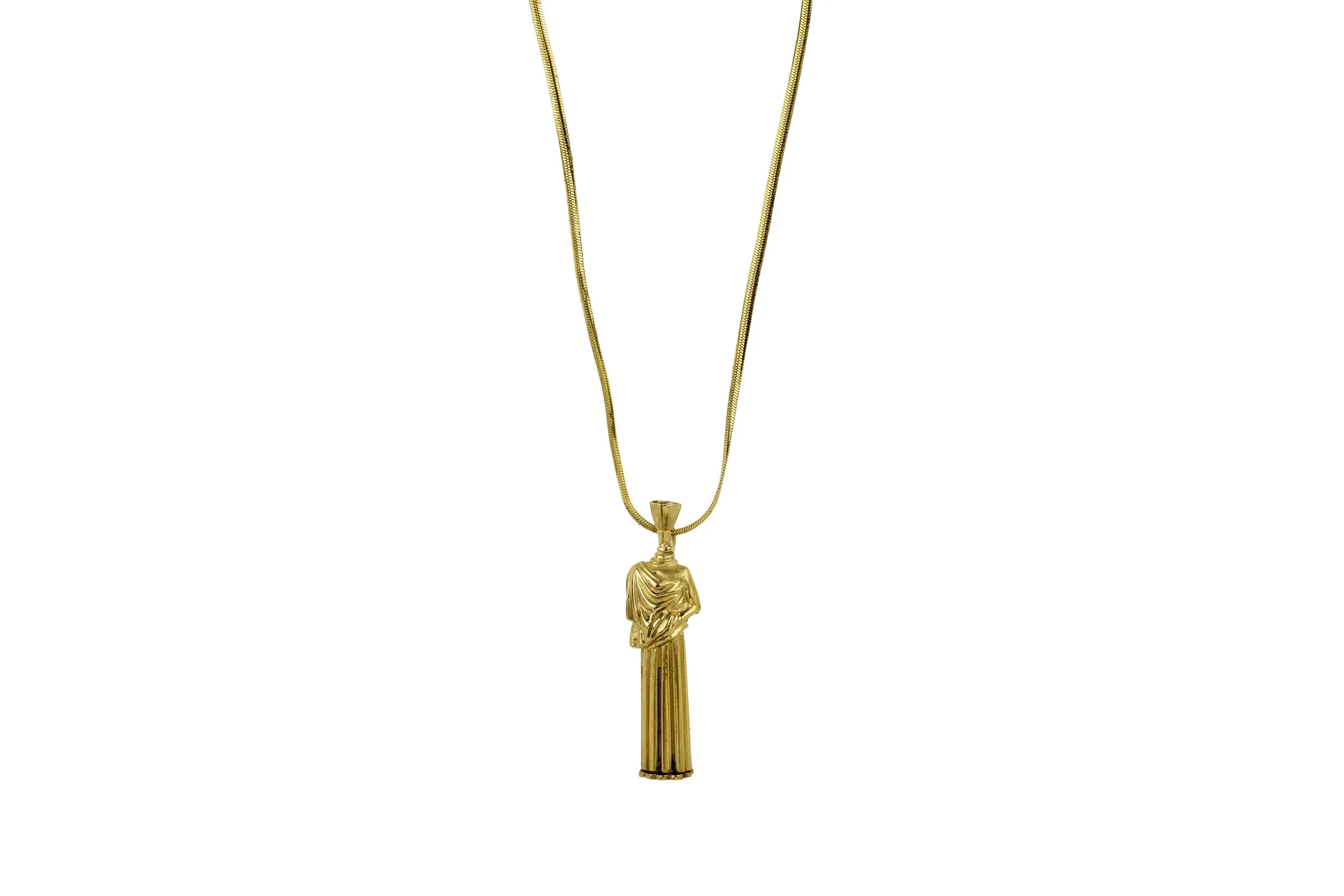
 Image 1 of 3
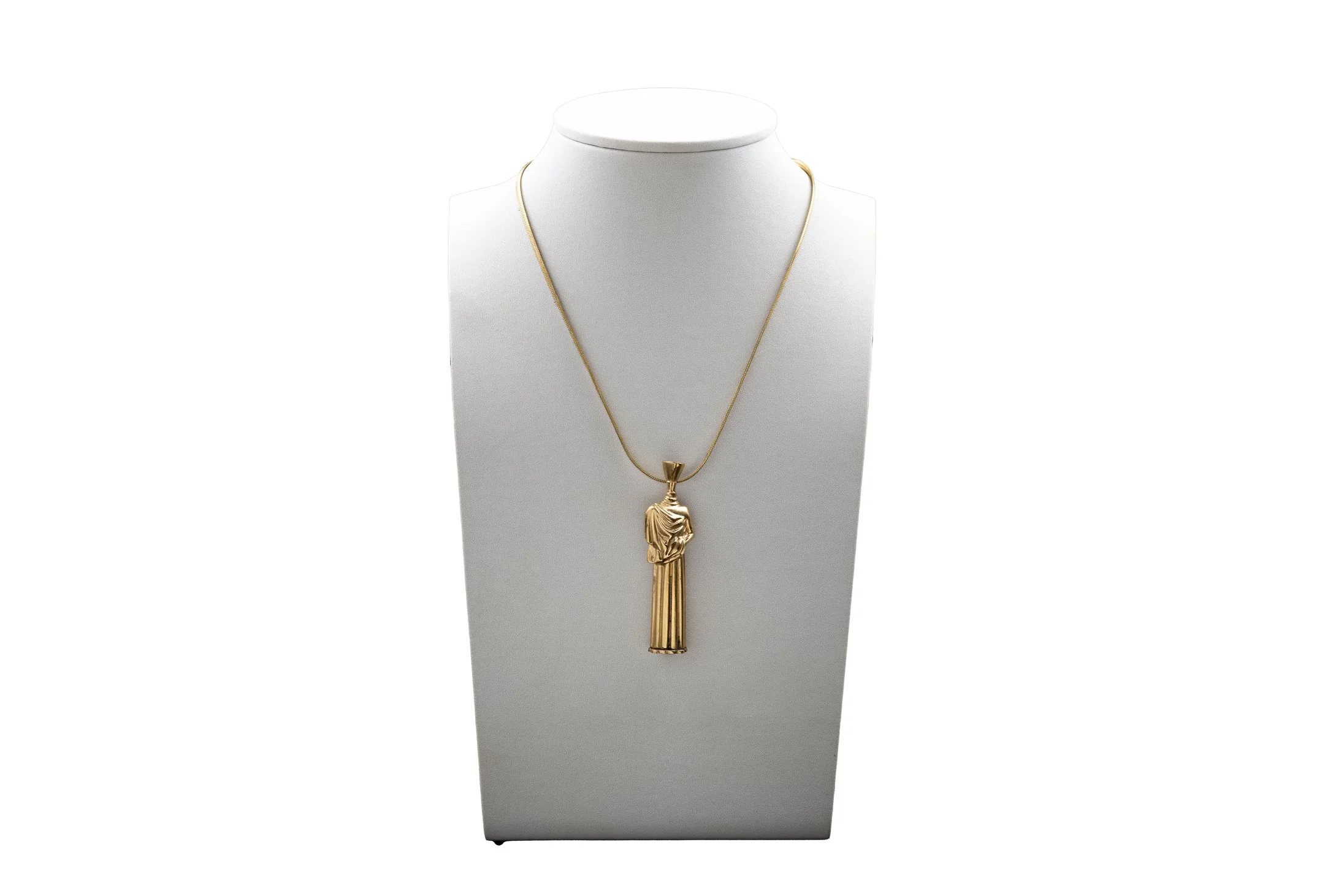 Image 2 of 3
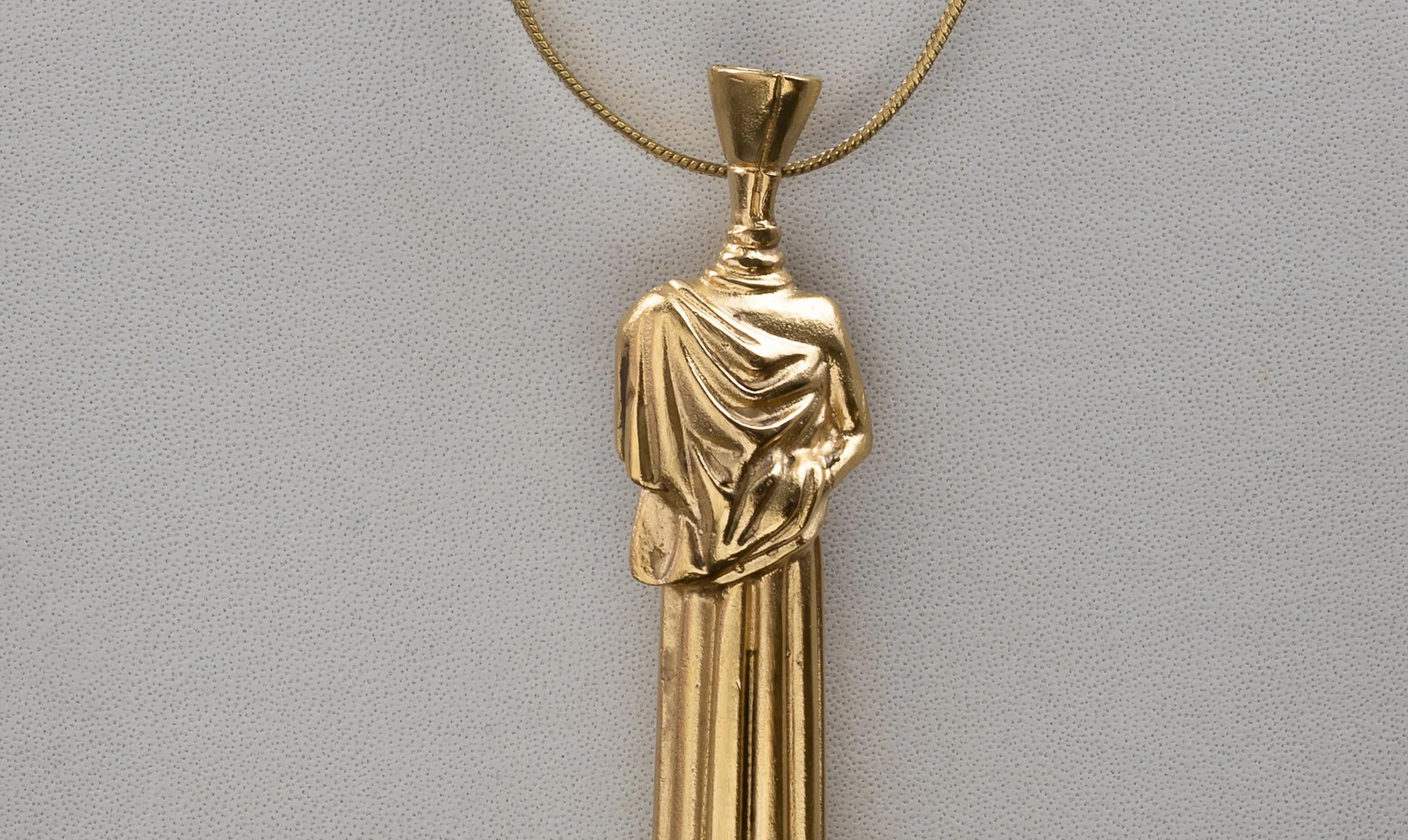 Image 3 of 3
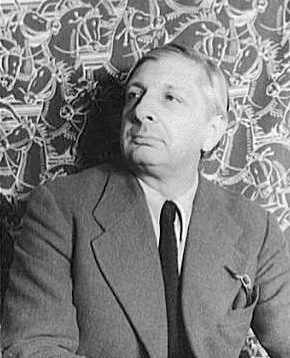
GIORGIO DE CHIRICO
(1888–1978)
Giorgio de Chirico (1888–1978) was an Italian-Greek painter and one of the most influential figures in 20th-century modern art. He is best known as the founder of Metaphysical Painting (Pittura Metafisica), an artistic movement that profoundly influenced Surrealism and generations of artists that followed.
Born in Volos, Greece, to Italian parents, de Chirico studied art in Athens before moving to Munich, where he discovered the philosophy of Nietzsche and the paintings of Arnold Böcklin. These influences played an important role in the development of his distinctive artistic vision. In 1910, after returning to Italy, he began creating the enigmatic urban scenes that would define his early work: deserted squares, arcades, towers and classical statues immersed in an uncanny, timeless atmosphere.
From 1911 to 1915, de Chirico lived in Paris, where he became acquainted with leading figures of the avant-garde, including Guillaume Apollinaire and Pablo Picasso. During this period, he developed his metaphysical style, bringing together seemingly unrelated objects—mannequins, clocks, statues, gloves, trains and architectural fragments—to create mysterious and unsettling compositions. Familiar objects appear stripped of their everyday function, suggesting a hidden reality beneath the visible world.
De Chirico's paintings of the 1910s had a major impact on the emerging Surrealist movement. André Breton and other Surrealists admired his ability to make ordinary reality appear strange, dreamlike and psychologically charged. His deserted city squares and mysterious objects became powerful images of solitude, memory and the unconscious.
After the First World War, de Chirico turned increasingly towards the classical tradition, studying Renaissance masters and traditional painting techniques. Although this change distanced him from the avant-garde, he continued throughout his career to revisit the themes and imagery of his metaphysical period, producing numerous variations of his earlier compositions.
His influence extended well beyond painting, inspiring writers, filmmakers, designers and artists. His distinctive combination of classical imagery, architecture, mystery and suspended time created one of the most recognizable visual languages of modern art.
De Chirico died in Rome in 1978. His work remains celebrated for its ability to transform familiar places and objects into enigmatic worlds, where reality seems to conceal a deeper and unknowable meaning.