
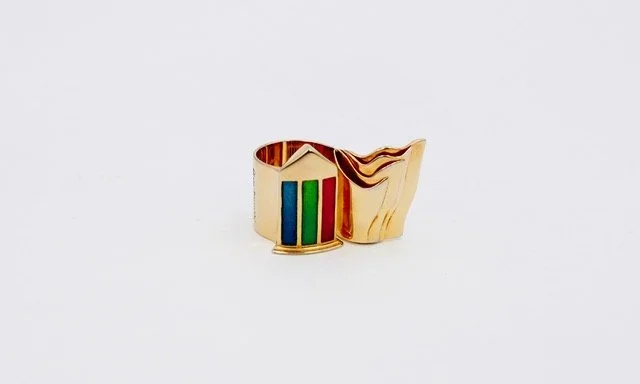
 Image 1 of 3
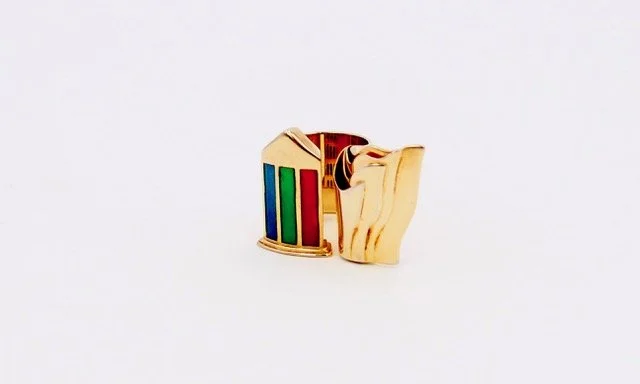 Image 2 of 3
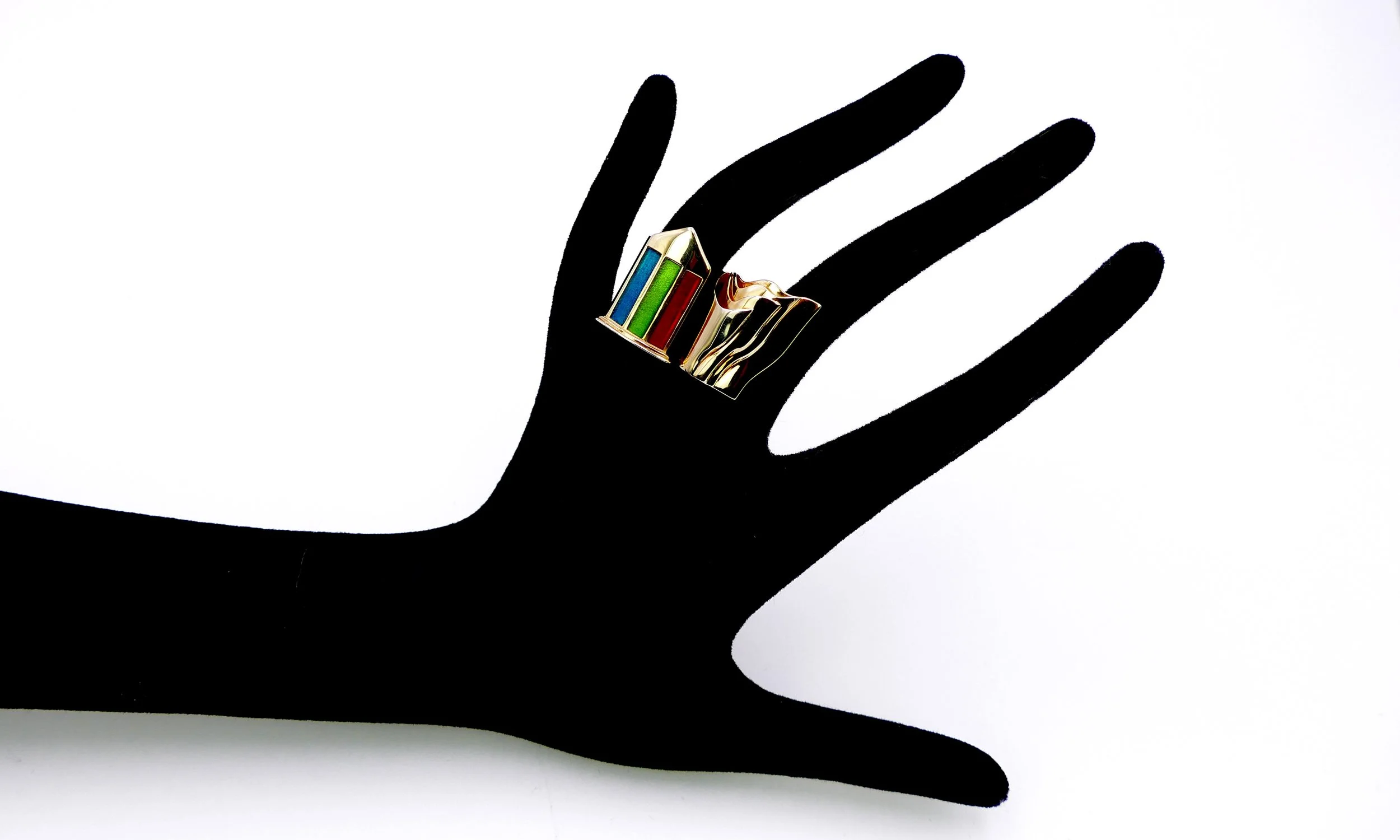 Image 3 of 3
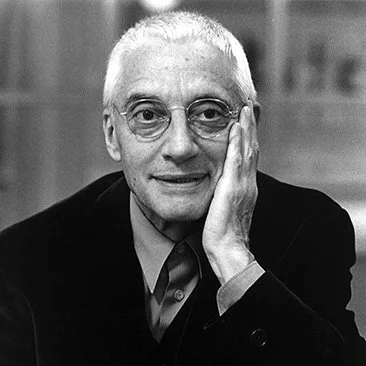
ALESSANDRO MENDINI
(1931-2019)
Alessandro Mendini (1931–2019) was an Italian architect, designer, artist and influential theorist of postmodern design. Born in Milan, he graduated in architecture from the Politecnico di Milano in 1959 and initially worked in the studio of architect and designer Marcello Nizzoli. Fondation Cartier
During the 1970s, Mendini became one of the leading voices of Italian Radical Design, challenging the strict functionalism and restraint of modernist design. As editor of the influential magazines Casabella, Modo and Domus, he played a crucial role in promoting a new generation of experimental designers and in developing the theoretical foundations of postmodern design. mobeldesignmuseum.se
In 1973, he was a founding member of Global Tools, and in the late 1970s he became closely associated with Studio Alchimia, whose deliberately playful, decorative and ironic approach rejected the conventional boundaries between art and design. His work embraced colour, ornament, historical references and popular culture, often transforming familiar objects into highly expressive artistic statements. Treccani
Mendini's practice extended far beyond furniture. He created objects, interiors, paintings, installations, architecture and jewellery, working with major international companies including Alessi, Cartier, Hermès, Swatch and Philips. His collaboration with Alessi was particularly significant, producing such celebrated designs as the Anna G corkscrew, while also contributing to the company's broader artistic and cultural direction. ateliermendini.it
His best-known works include the Proust Armchair, in which an 18th-century form is covered with a vivid pointillist pattern, and the colourful architecture of the Groninger Museum in the Netherlands, designed with his brother Francesco. In 1989, the two founded Atelier Mendini in Milan, through which they continued to work across architecture, design and art. Fondation Cartier
Mendini received numerous international distinctions, including several Compasso d'Oro awards and the European Prize for Architecture in 2014. His work is held in major museums and collections worldwide. He died in Milan in 2019, leaving behind an extraordinarily diverse body of work that blurred the boundaries between fine art, design and architecture.